Can You Gift a Grief Retreat to Someone Who's Grieving?

Can you gift a grief retreat to someone who's grieving? Yes, and it can be one of the more meaningful things you offer a grieving friend or family member, but it works best as an offer rather than a done deal. The gift that tends to land well isn't a booked trip with a date already fixed. It's the information, and often the funding, handed over in a way that leaves the actual decision entirely theirs.
Why this can matter more than flowers or a card
Most of what gets offered to someone grieving is well-meaning but short-lived: a card, a meal train, a bunch of flowers that will be gone in a week. All of it is appreciated, and none of it addresses what tends to be hardest a few months in, once the initial wave of support has quietly receded and everyone else has gone back to their lives. That's usually when grief gets loneliest, and it's also usually well past the point when most people's casseroles stop arriving. A trip built specifically around grief support, with a small group and space to actually talk about the loss, addresses a need that tends to still be there long after the immediate crisis has passed. It says, in effect, I know this isn't over just because the funeral is.
Why booking it for them usually isn't the right move
Even so, there's a real difference between offering someone this experience and deciding it for them. Grief is one of the few areas of life where autonomy matters enormously, because so much of it already feels involuntary. The death wasn't chosen. A lot of what follows, the paperwork, the condolence calls, the sorting through belongings, isn't chosen either. Handing someone a non-refundable booking, even with the best intentions, can recreate exactly that feeling: one more thing being decided for them, however kindly.
It also risks putting them in an awkward position if the timing, destination, or idea of a group retreat isn't right for them. Not everyone is ready for structured grief support at the same point, and some people process loss in ways that have nothing to do with travel or groups at all. A gift that assumes it knows what someone needs can end up feeling like pressure dressed up as generosity, even when it's the opposite in your head.
How to offer it well
The better approach is usually to share the idea rather than the finished product. Send the information. Mention that you came across it and thought of them, without attaching an expectation that they act on it. If money is a factor, and it often is, offering to help cover a deposit or the balance of a trip, or offering to look into financial access options together, tends to feel more like support than a gift with strings attached. It leaves the actual choice, whether to go, when to go, which destination, entirely in their hands.
It also helps to be specific about why you're suggesting it, rather than vague. Something like: I read about this and thought of you, not because I think you need fixing, but because it sounded like a place where you wouldn't have to explain yourself to anyone. That framing does a lot of work. It signals that you're not trying to manage their grief or move them through it faster. You're just widening what's available to them.
What if they say yes but seem unsure
Sometimes the response isn't a clear yes or no, it's hesitation: interest mixed with guilt about the cost, or worry about leaving family behind, or simply not knowing if they're "ready." That hesitation isn't a signal to back off entirely, but it also isn't an invitation to push. It usually helps just to keep the door open without applying pressure to walk through it. You might offer to help with logistics if they decide to go, or simply mention that only a partial deposit is needed to hold a place while they think it over, or that there's no obligation to share anything once there. Small, practical reassurances tend to do more than an emotional argument for why they should go. The decision benefits from staying entirely theirs, on their timeline, not yours.
Timing and how to bring it up
There's no universally right moment, but a few things tend to help. Raise it in a low-stakes way, not as a grand gesture at a moment already loaded with emotion, like an anniversary or the holidays. A quiet text or a conversation over coffee usually works better than a card that arrives with the trip already booked. Make it easy to decline without discomfort: something like "no pressure at all, just wanted you to know it exists" does more good than it might seem to. And if they say no, or not now, let that be the end of it. The offer having been made, sincerely and without conditions, is often what matters, whether or not they ever take it.
Grief Trips runs small-group retreats in Portugal, Morocco, and the Maldives with a 30 percent deposit to reserve a place, a balance due a month before travel, and financial access available for people who need it, including reduced pricing, payment plans, and flight support. Rachel, who founded Grief Trips after losing her father in her twenties, reads every application herself. If someone you love is grieving and you think this might be right for them, the kindest version of that gift is simply making sure they know it's there, and letting the rest be their decision.
Curious what a grief trip is actually like?
Small-group grief retreats in Portugal, Morocco, and the Maldives. No pressure, applying just starts a conversation.
Join a Grief Trip ›You might also like

Why a Grief Trip Might Be the Most Powerful Thing You Do for Your Grief
A grief trip will not fix your grief, but it can do something everyday life rarely does: give you a small group retreat where you are met exactly as you are, dedicated space to feel, and unexpected laughter alongside the sorrow.

The Art of Letting Go of Resistance: Grief Workshop in Porto
During a grief workshop in Porto, Rachel discovered that fighting her emotions was exhausting her more than the emotions themselves. Letting go of resistance, and picking up a paintbrush, changed everything.
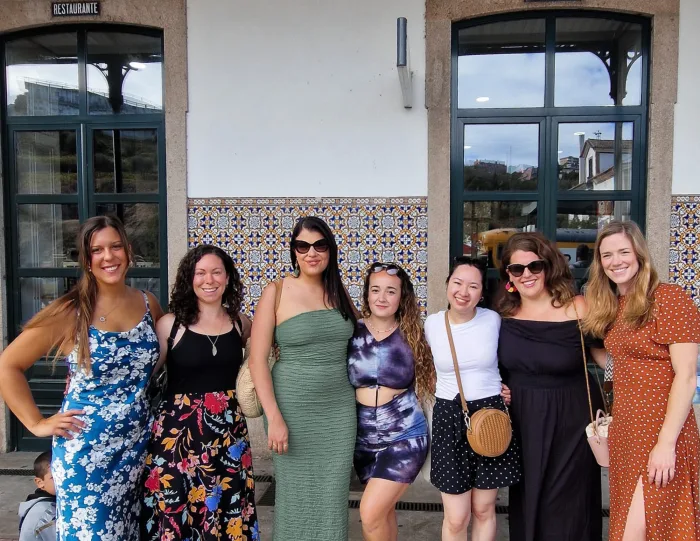
What Does Diversity Add to Grief Trips?
People often join a grief trip expecting connection with others who share their exact loss. What they find is something wider: perspective from grief that looks nothing like their own, and the quiet relief of no longer carrying it entirely alone.