Bali Grief Retreat
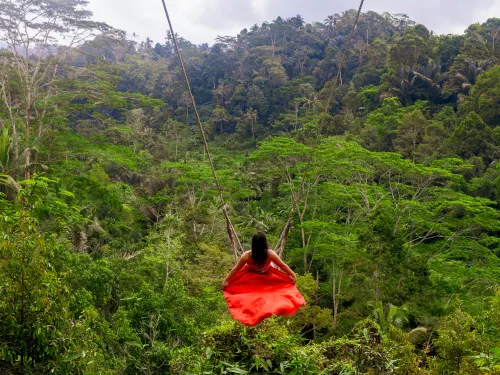
Bali holds grief gently. In Ubud, rice terraces fold into the hills, water temples hum with centuries of ritual, and fire ceremonies turn letting go into something you can watch and feel. Our Bali Grief Trip is a small-group grief retreat that weaves daily grief workshops and sharing circles through Balinese ceremony, waterfalls and unhurried afternoons, held in a private villa with a private chef. This retreat isn't open for booking yet, so this is your place to join the waiting list and be first to secure a place.
Why Bali, when you're grieving
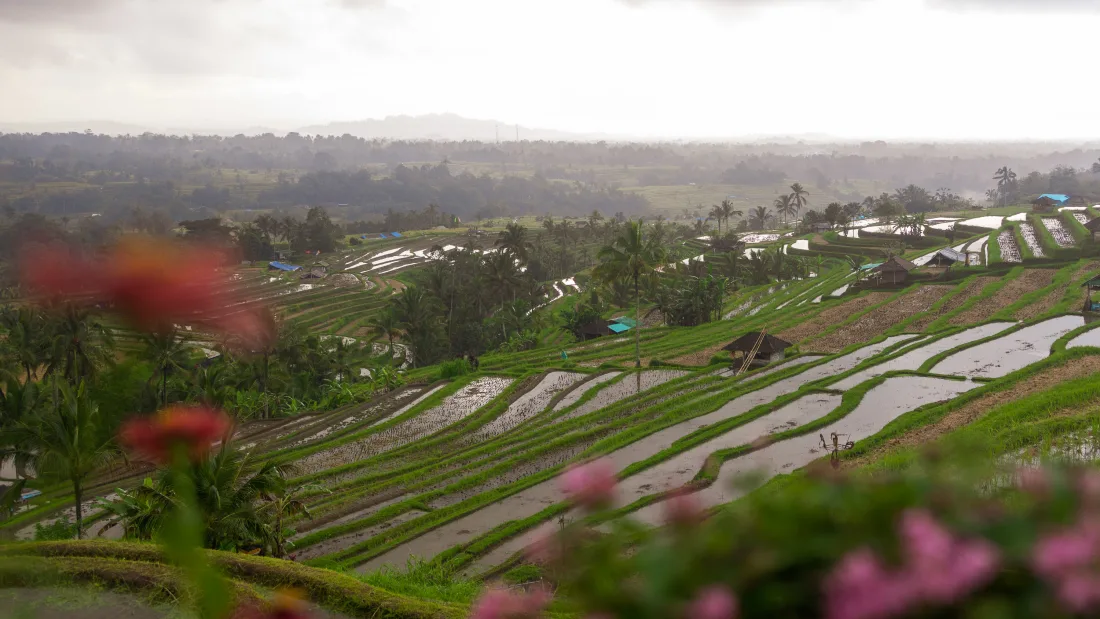
Grief can make the body feel like it's holding its breath. Bali is a place that lets you exhale. The island's spirituality treats loss and renewal as part of one cycle, not something to hide, so a fire ceremony or a water cleansing meets grief exactly where it is, with ritual instead of explanation.
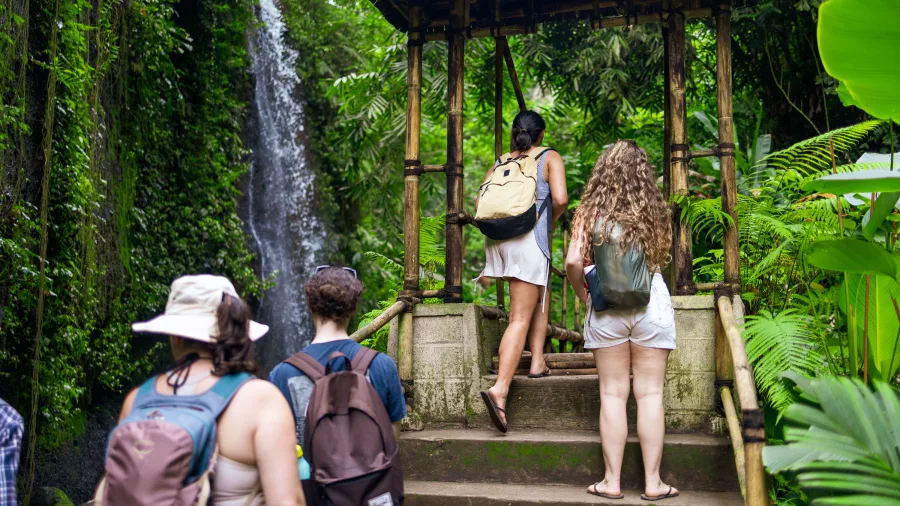
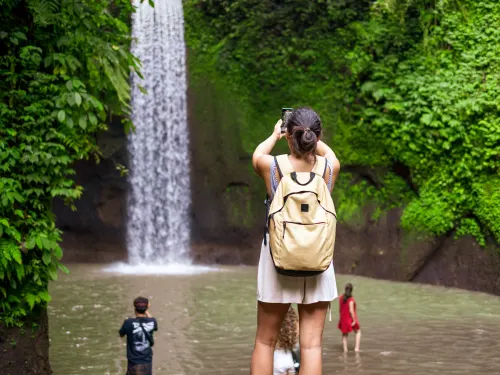
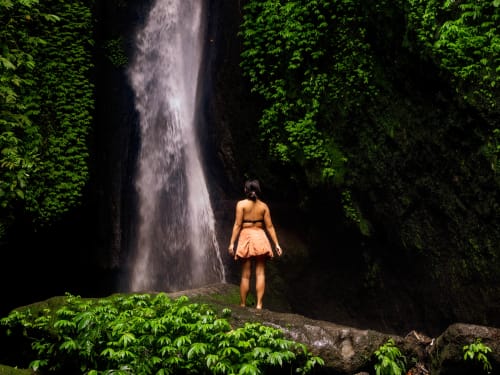
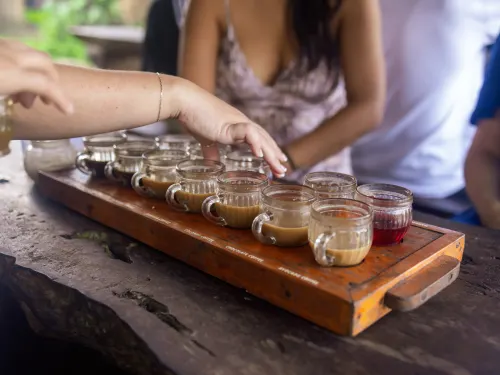
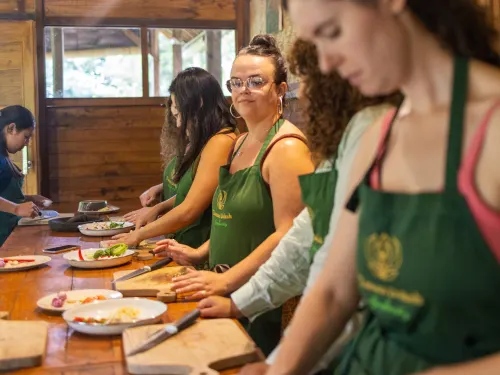
The week moves between depth and ease: morning grief workshops with facilitators who have walked through loss themselves, then rice-terrace walks, waterfalls, a cooking class, and free time in Ubud's markets and cafes. Nothing is compulsory; you go as gently or as deeply as feels right.
You never have to organise a thing beyond arriving. Airport transfers, private transport between every activity, all your meals and every ceremony are held for you, so your only job is to be here.
Day by day
Everything on the itinerary is optional: go as gently or as deeply as feels right. The full schedule for the 9–15 May 2027 retreat goes to the waiting list first.
What's included
Flights, the Bali visa (B1 Visa on Arrival, about US$30) and travel insurance are not included. Rachel helps everyone with planning and logistics before the trip.
Rituals woven through the week
Alongside the grief workshops, three Balinese experiences give the week its rhythm, each one a different way of meeting loss.
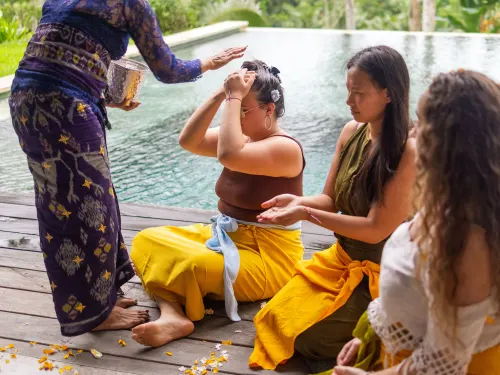
Melukat water cleansing
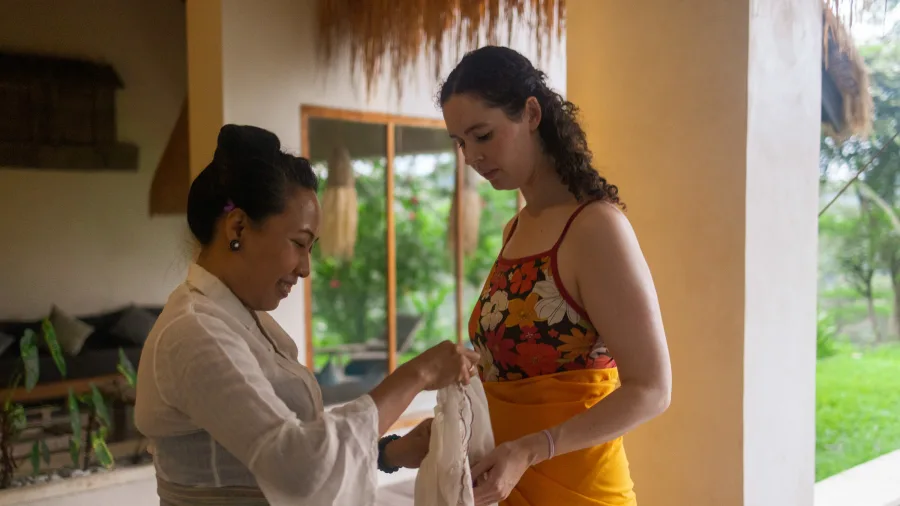
A sacred purification ritual at a traditional temple, washing away emotional burdens in blessed spring water.
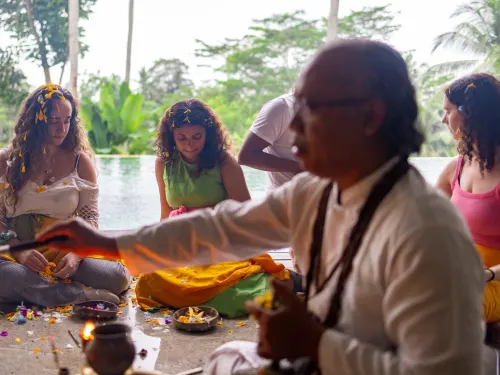
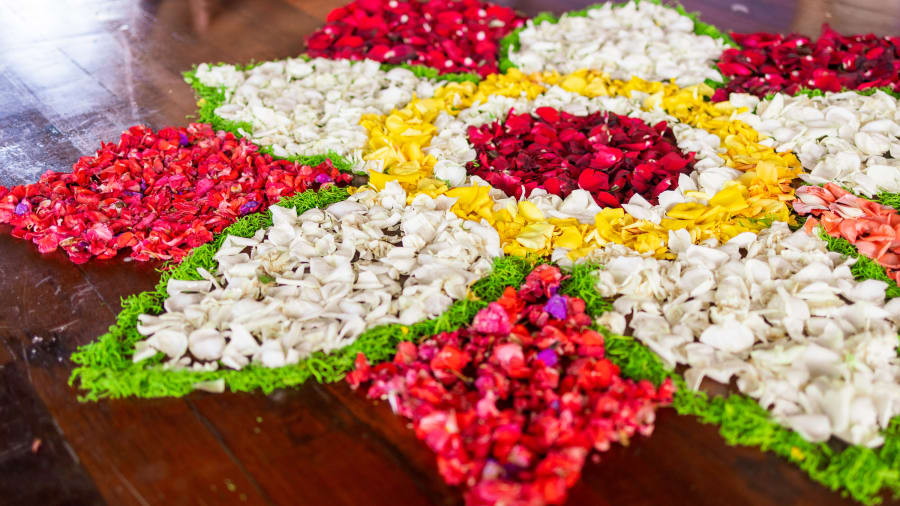
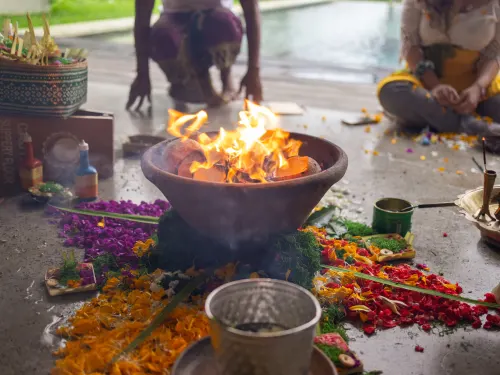
Agni Hotra fire ceremony
An ancient fire ritual that symbolises transformation, letting go, and the cyclical nature of life and renewal.
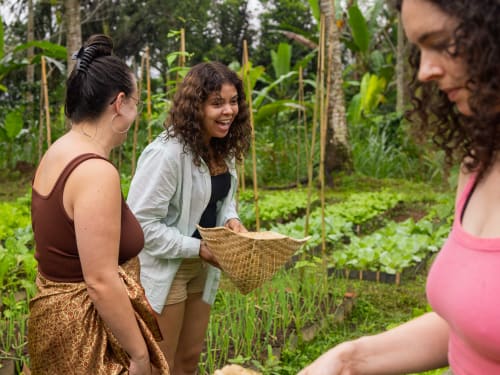
Cooking class & farm harvest
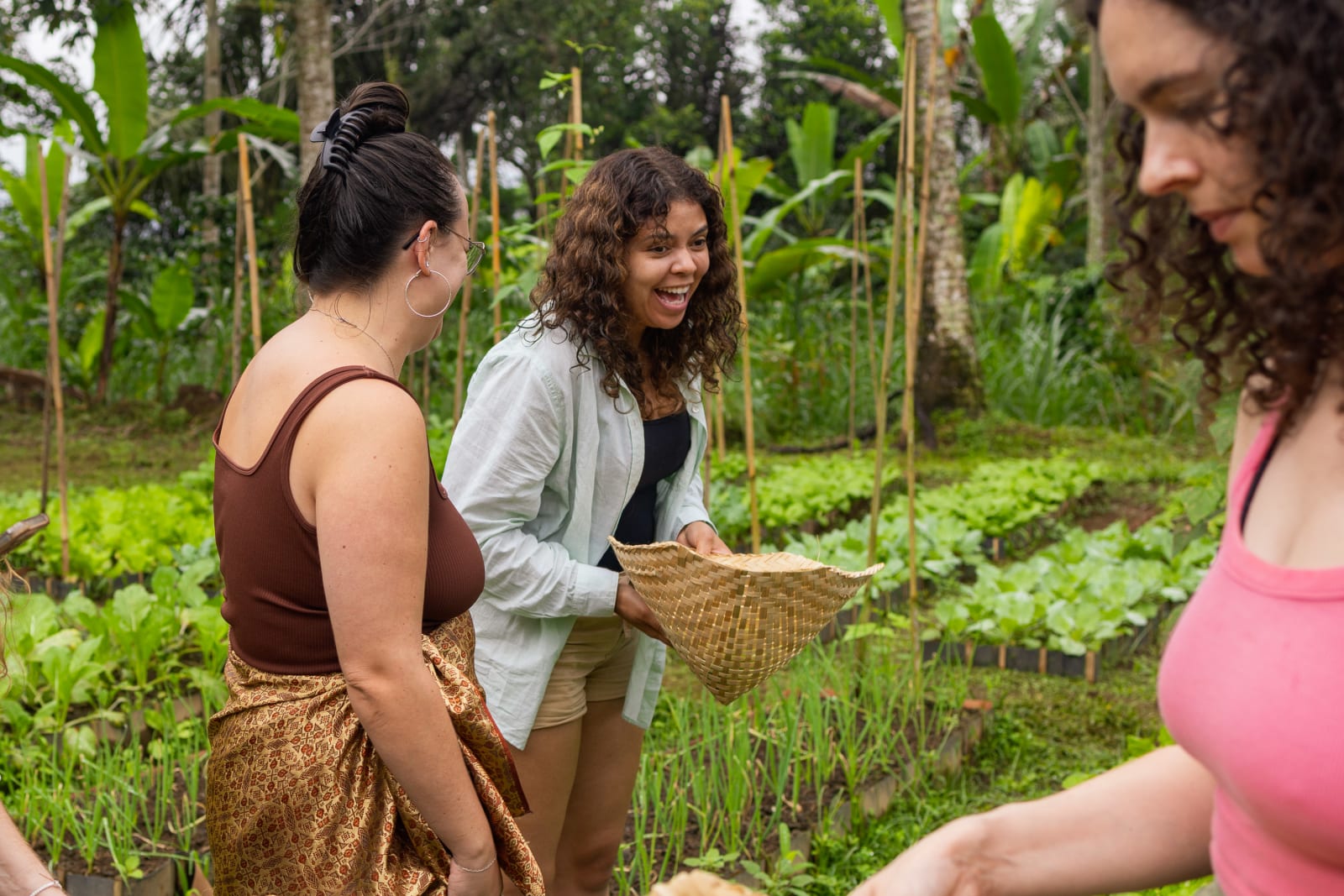
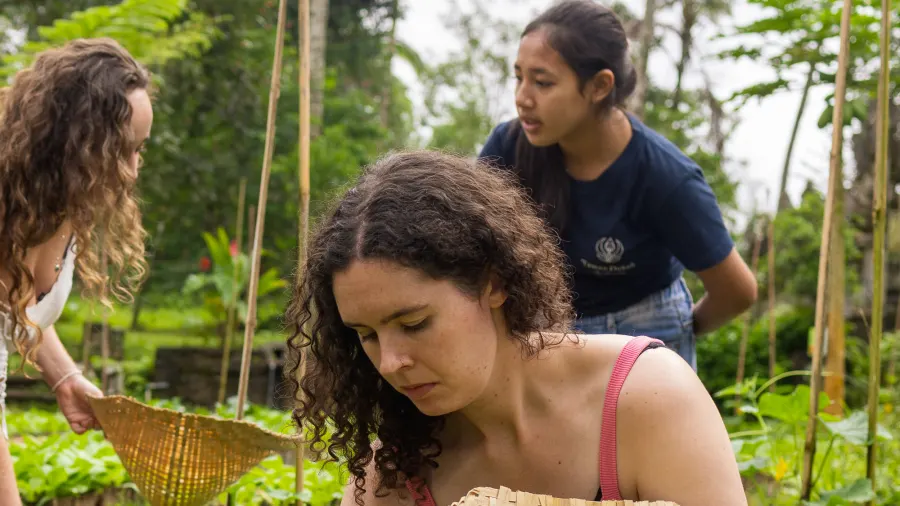
An organic farm visit and hands-on Balinese cooking class, reflecting on the role of food in grief and ongoing bonds.
Where you'll stay
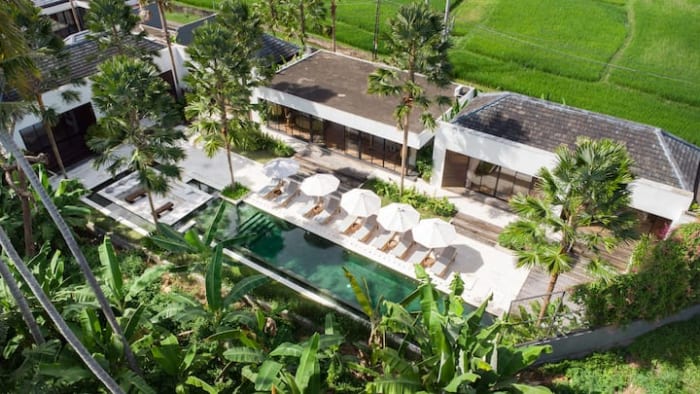
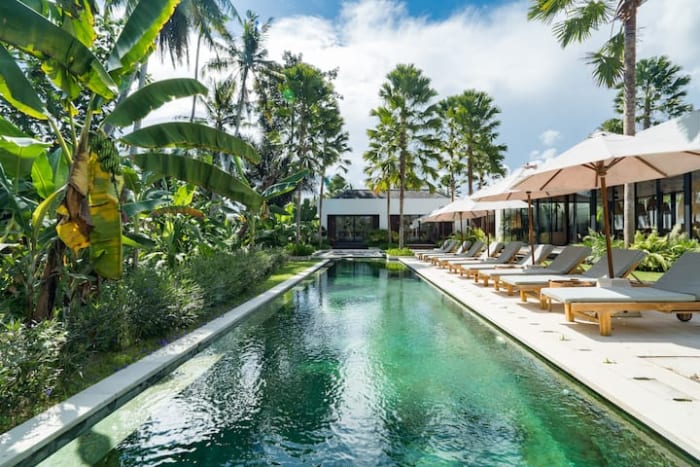
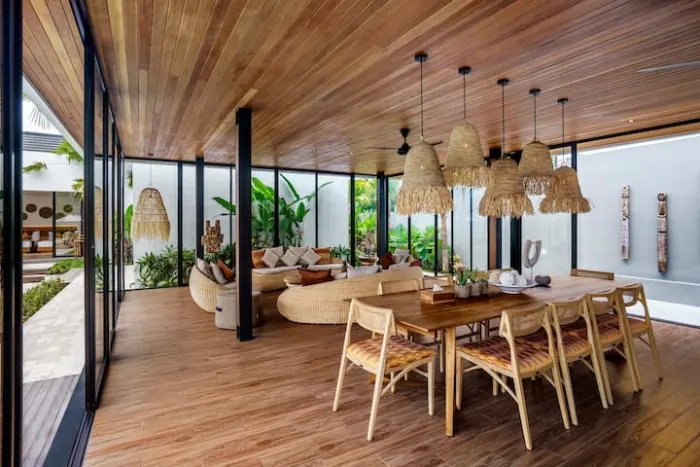
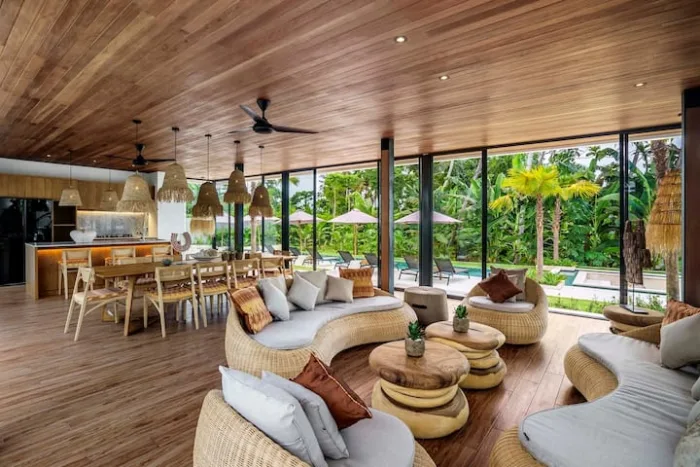
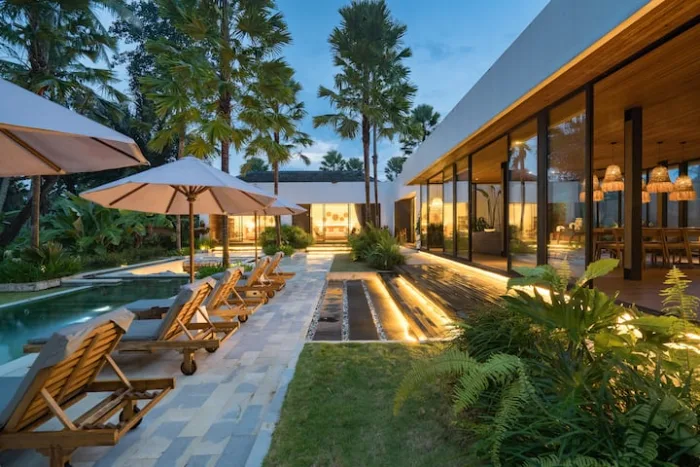
Six nights in a private villa in Ubud, surrounded by rice fields, with a long pool, open-air living and dining pavilions, and a private chef cooking your meals. Every room has its own ensuite bathroom. It becomes home within a day, a quiet sanctuary to return to after each excursion.




Rooms & prices
Three ways to stay, all with an ensuite bathroom. Prices are per person and include everything listed above. Booking isn't open yet: the waiting list hears first when places open.
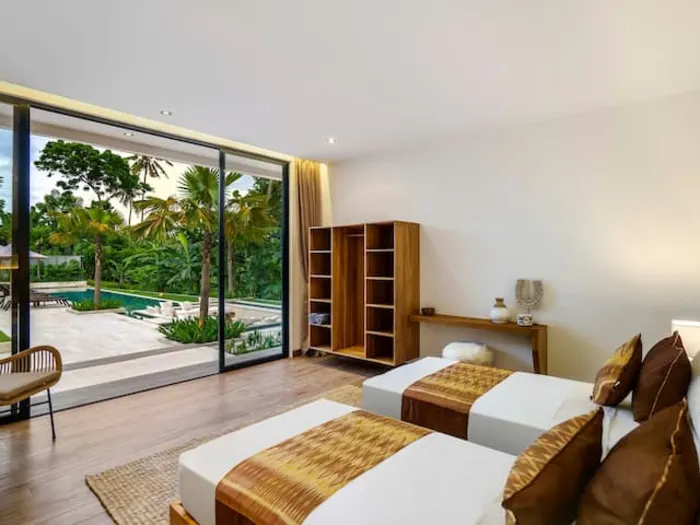
Shared Twin Ensuite Room
Two single beds, shared with one other guest, with an ensuite bathroom.
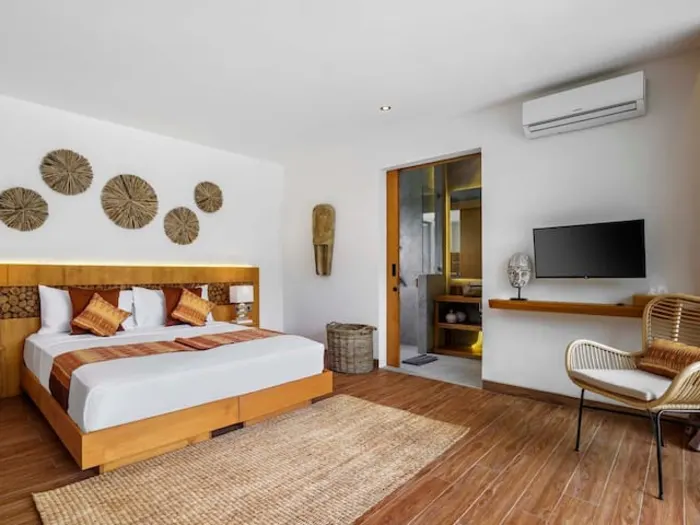
Private Ensuite Room
A room of your own with an ensuite bathroom.
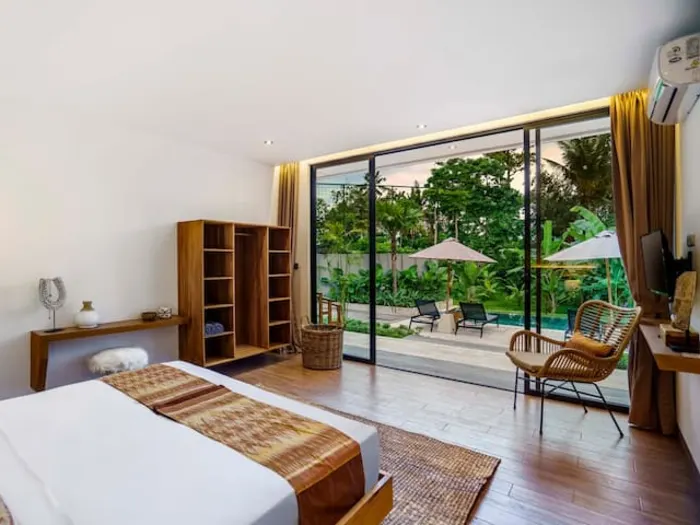
Premium Private Ensuite Room
A room of your own with a pool view and an ensuite bathroom.
Moments from past Bali trips
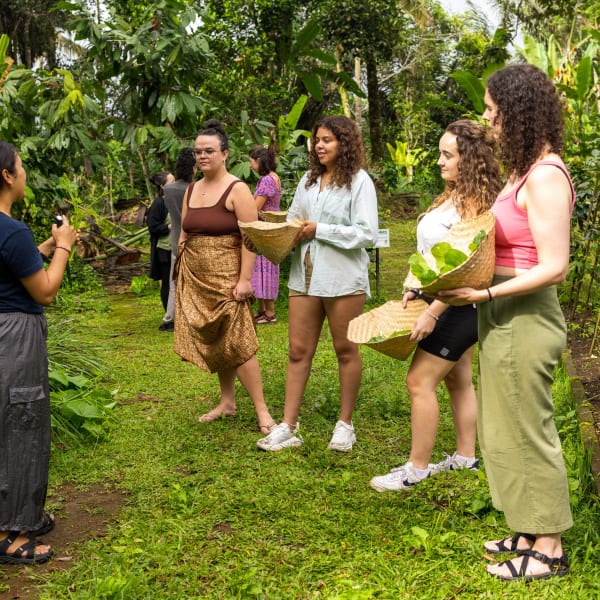
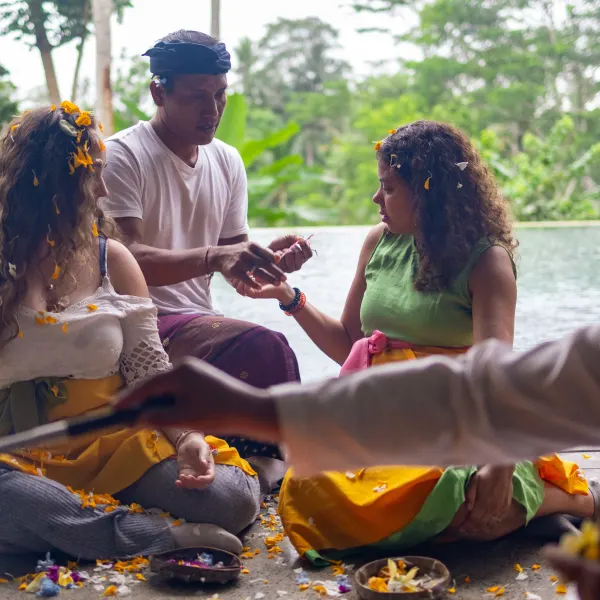
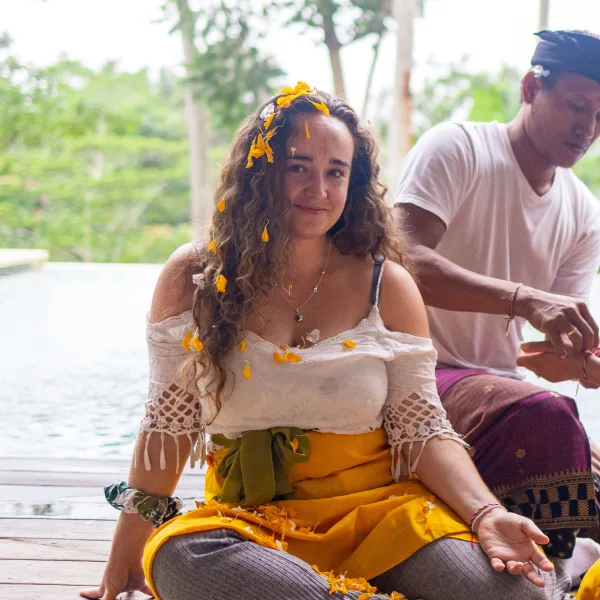
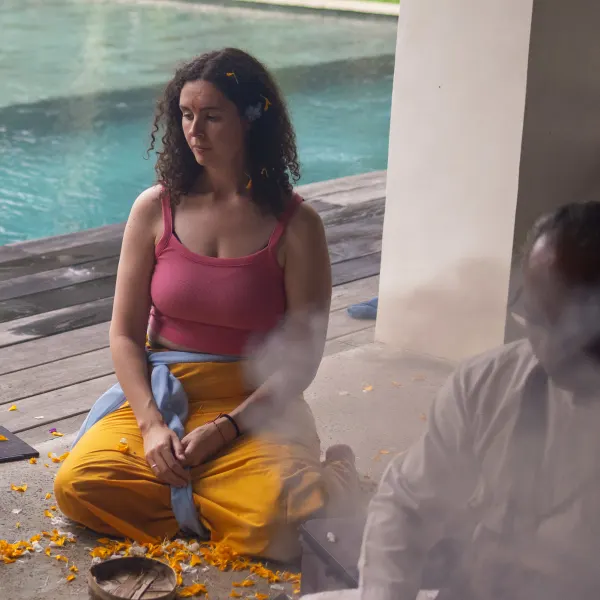
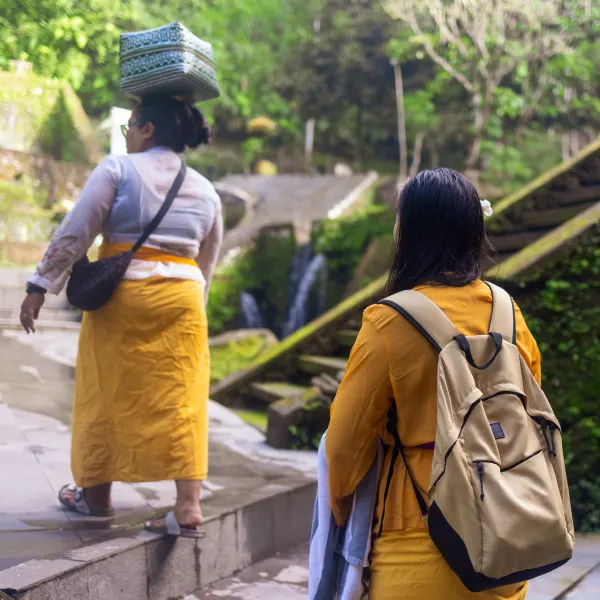
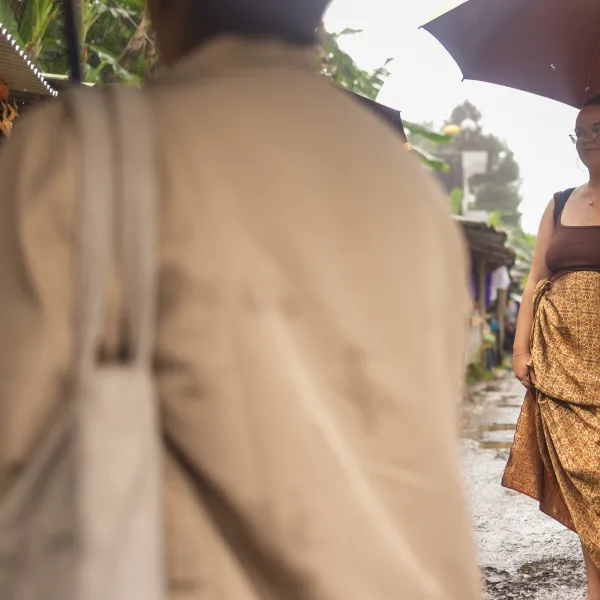
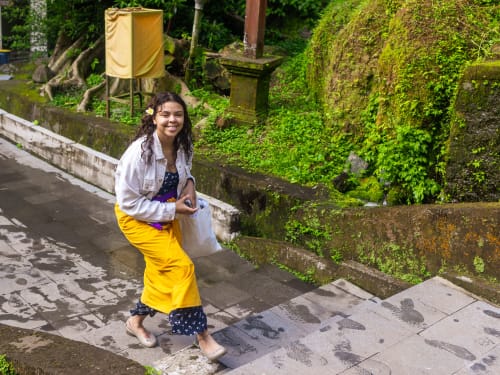
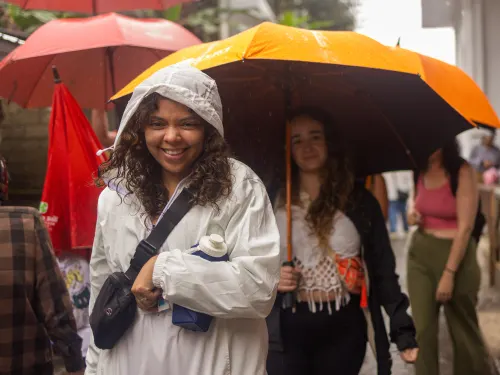
Photos from our past Bali grief retreats in Ubud.
What travellers said
“Best experience I've had since losing my dad. The Bali Grief Trip was truly so magical.”
★★★★★“Everyone on the Bali Grief Trip brought such compassion and vulnerability. It felt non-judgmental and safe from the start.”
★★★★★“This week has given us all an opportunity to connect in a way that I don't think we have anywhere else in our lives.”
★★★★★“If you feel called to do this trip, you absolutely need to do it. Rachel was there for me every step of the way.”