How to Choose the Right Grief Retreat for You
How do you choose the right grief retreat for you? Start with a handful of concrete factors: group size, destination and pace, how much structure versus free time you want, whether the place itself means something to you, what's actually included in the cost, and whether the timing feels right rather than "correct" on paper. There's no universally right retreat, only the one that fits where you are and what you can handle right now.
Group size: intimacy versus perspective
A smaller group, say eight to twelve people, tends to produce deeper individual connection. You'll likely speak with everyone at length by the end, and quieter voices don't get lost in the room. A larger group offers more range: more versions of loss, more ways people have coped, a wider set of perspectives to sit with even if you don't personally connect with all of them. Neither is better. If you want to feel genuinely known by a handful of people, look toward the smaller end. If you want to hear a broad range of how grief looks on different people, a larger group might suit you more.
Destination, climate, and pace
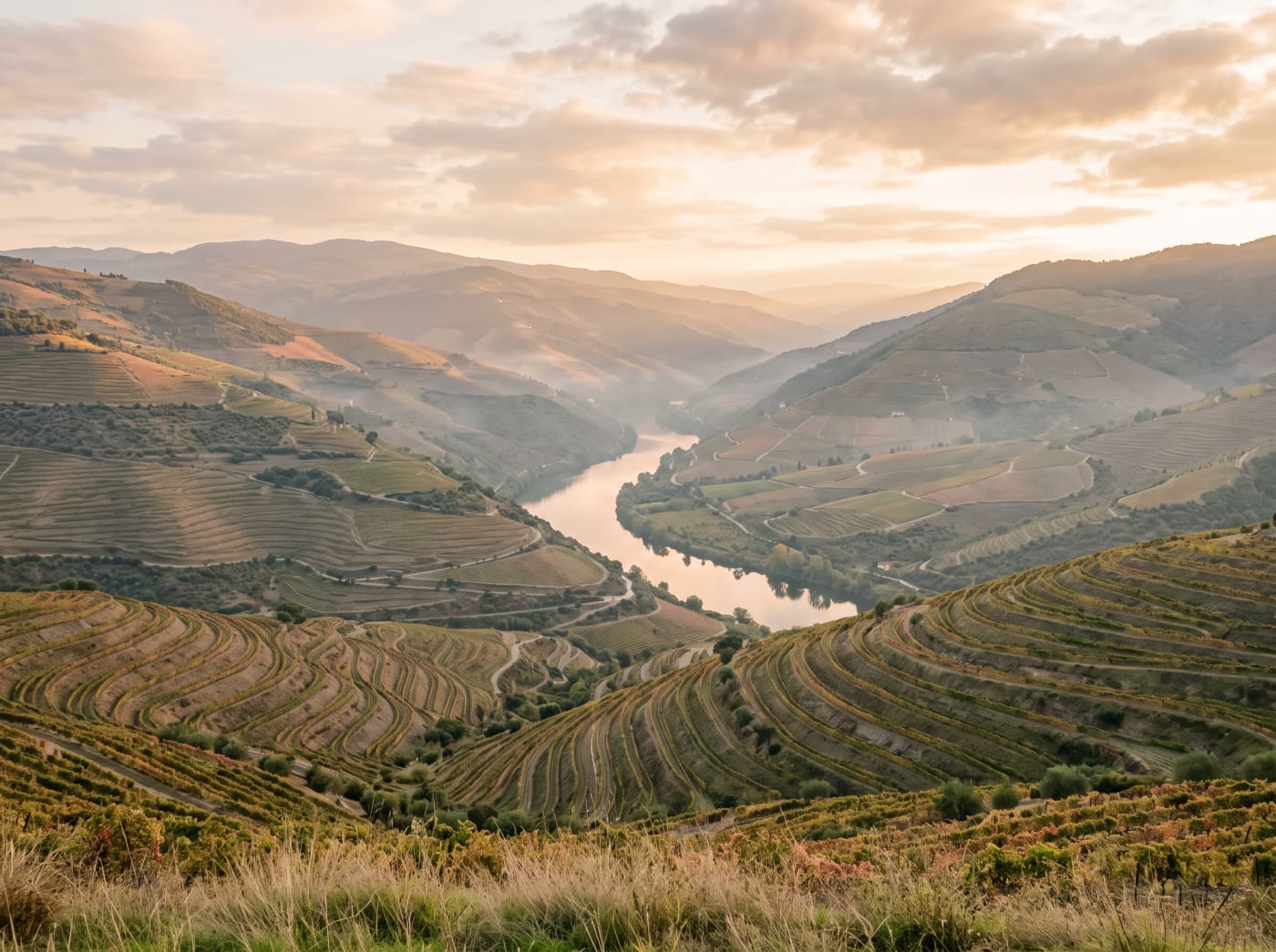
The place shapes the week almost as much as the itinerary does. Portugal, based around Porto and the Douro Valley, tends to run at a quieter, slower register: river time, wine country, a climate that doesn't ask much of you physically. Morocco, based around Marrakech and the Agafay Desert, is more sensory and a little more intense, with heat, a hammam, and the particular starkness of the desert at night. The Maldives, on a private island in Goidhoo, is the most remote and slowest-paced of the three, built around water and quiet rather than activity. None of these is more "serious" about grief than the others. They're different environments for the same kind of work, and which one appeals to you is worth taking seriously as information about what you need right now: rest, stimulation, remoteness, or something in between.
How much structure you actually want
Some people want a fuller schedule, because unstructured time is when grief gets loudest. Others want long open stretches and minimal programming, because a packed itinerary feels like another performance to get through. Grief retreats generally build in both, workshops and sharing circles most mornings, free time most afternoons, but the ratio varies by trip and by how the group is doing that week. If you know you need a lot of quiet, ask directly how much free time is built in. If you know unstructured time tends to make you spiral, ask how the days are held together.
Whether the place needs to mean something
Some people are drawn to a destination because it connects to the person they lost: a place they always meant to visit together, a landscape that echoes something in the relationship. Others deliberately pick somewhere with no connection at all, so nothing about the trip is loaded before it starts. Both are legitimate reasons to choose a place. It's worth being honest with yourself about which one you're doing, because a retreat in a meaningful location can surface more than a neutral one. That isn't automatically a problem. It just changes what kind of week to expect.
Cost, and what's actually covered
Retreats vary in what the price includes, and it's worth reading the fine print rather than assuming. A common structure looks something like this: a deposit to reserve your place, with the balance due closer to the trip, and accommodation, workshops, one-to-one grief support, most meals, activities, and local transport covered, while flights, visas, and travel insurance are on you. That's typical, though not universal. If cost is a barrier, ask directly whether reduced pricing, payment plans, or support with flight costs exist. Plenty of retreats, including this one, offer some form of financial access, and most people don't ask because they assume there isn't any.
Timing: there isn't a single right moment
People often delay going because they're waiting to feel "ready," as though a more capable version of themselves is going to arrive on schedule. That version doesn't reliably show up. Some people go two months after a loss. Others go eight years later, after something reopens it. Both are common, and neither is wrong. The more useful question isn't whether this is the right time in the abstract. It's whether you have the capacity this week, this month, to be around other people's grief as well as your own, and whether some part of you is curious about what that would feel like rather than dreading it outright.
Choosing well mostly comes down to knowing yourself reasonably well and asking direct questions of whoever's running the trip. If it helps to see how these factors play out concretely, Portugal, Morocco, and the Maldives each offer a different pace and character within the same underlying structure: small groups, daily grief support, and as much or as little sharing as you want.
Curious what a grief trip is actually like?
Small-group grief retreats in Portugal, Morocco, and the Maldives. No pressure, applying just starts a conversation.
Join a Grief Trip ›You might also like
Why a Grief Trip Might Be the Most Powerful Thing You Do for Your Grief
A grief trip will not fix your grief, but it can do something everyday life rarely does: give you a small group retreat where you are met exactly as you are, dedicated space to feel, and unexpected laughter alongside the sorrow.

The Art of Letting Go of Resistance: Grief Workshop in Porto
During a grief workshop in Porto, Rachel discovered that fighting her emotions was exhausting her more than the emotions themselves. Letting go of resistance, and picking up a paintbrush, changed everything.

What Does Diversity Add to Grief Trips?
People often join a grief trip expecting connection with others who share their exact loss. What they find is something wider: perspective from grief that looks nothing like their own, and the quiet relief of no longer carrying it entirely alone.