What to Pack for a Grief Retreat
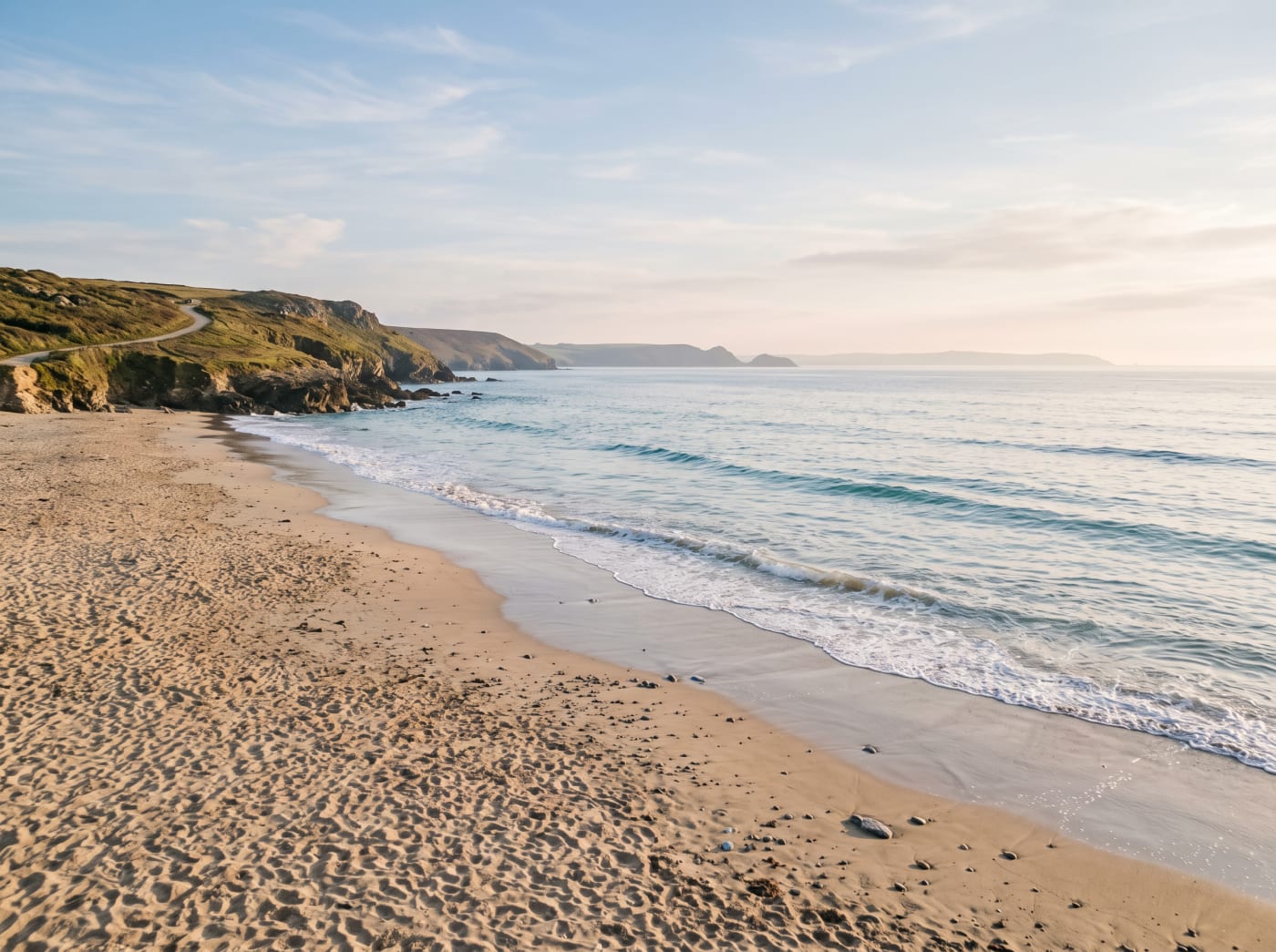
What should you pack for a grief retreat? The basics are similar to any small-group trip — comfortable clothing, weather-appropriate layers, the usual travel documents — with a few additions worth thinking about ahead of time: something for emotional comfort during downtime, and a decision, entirely optional, about whether to bring anything connected to the person who died. There's no required packing list for grief itself. There is a genuinely useful one for the trip.
Clothing for workshops and everyday moments
Grief workshops aren't formal, and nobody is dressing up for them. Comfortable, casual clothing you can sit in for a while — on a cushion, a chair, the ground — works best. Layers matter more than any single item, since mornings in the Douro Valley or the Agafay Desert can be cool even when afternoons are warm, and a private island villa in the Maldives has its own climate logic entirely (light, breathable, warm all day). Pack for the actual destination and season rather than a generic idea of "retreat clothing." A scarf or shawl earns its space in a bag more often than people expect — useful for a cool evening, useful for warmth during a workshop, useful for absolutely nothing beyond comfort when needed.
Comfortable walking shoes belong on every version of this list, since most trips include some amount of walking, whether that's a town, a vineyard, or desert terrain. One slightly nicer outfit for a shared dinner out is worth having, though nothing here calls for formalwear.
Something meaningful, if you want to bring it
Some retreats include a ritual or memory-sharing element, and people often wonder whether they're supposed to bring something connected to the person who died — a photo, a piece of their jewelry, a handwritten note, an object that meant something to them. The honest answer is that it's entirely optional. Some people bring a photo they keep in a wallet the whole trip and never show anyone. Some people bring something specifically because there's a moment built for sharing it. Some people bring nothing at all and feel no less connected to that person for it. None of these is the "right" way to do this. If something comes to mind naturally, it's worth packing. If nothing does, that's not a gap you need to fill before you go.
Items for emotional comfort
A journal is one of the most commonly useful things people bring, whether or not they consider themselves a writer — not for polished reflection, just somewhere to put down a thought at 6am that doesn't need to go anywhere else. A book you already love, rather than something new and unread, tends to serve better on a trip like this; familiar words ask less of you on a hard evening than a new story does. Headphones and a small playlist, including anything connected to the person who died if that feels right, can matter more than expected during travel time or a quiet moment alone. Some people bring a small, ordinary comfort object — not necessarily connected to their loss, just something that makes an unfamiliar bed or room feel a little more like theirs.
None of this needs to be elaborate. The goal is having a small, private way to regulate a hard hour without needing to explain it to anyone.
Practical travel basics
The unglamorous list still matters: passport and any visa documents the destination requires, travel insurance details (not included in the trip itself, so worth sorting in advance), any regular medication in original packaging with enough for the full trip plus a buffer, a phone charger and adapter suited to the destination, sunscreen, and a refillable water bottle. For the Agafay Desert specifically, sun protection and something to cover your head and neck are worth prioritizing; for the Douro Valley, a light rain layer is sensible outside the peak of summer; for Goidhoo Island, reef-safe sunscreen is the more considerate choice given the marine environment around a private villa setting.
A basic first-aid kit with anything personal you might need — pain relief, blister plasters, anything specific to your own health — is worth having even though it's an easy thing to forget until you need it.
What you don't need to pack
You don't need a plan for how you're going to feel. You don't need to have decided in advance how much you'll share with the group, since that's optional throughout and can change moment to moment. You don't need to arrive having "figured out" your grief in some presentable form before getting on the plane. The practical list above is the part that's genuinely worth preparing. The emotional part of the trip doesn't require preparation — just a willingness to show up as you actually are, in a small group of people who are there for exactly the same reason, with space held for whatever that looks like once you land.
Curious what a grief trip is actually like?
Small-group grief retreats in Portugal, Morocco, and the Maldives. No pressure, applying just starts a conversation.
Join a Grief Trip ›You might also like
Why a Grief Trip Might Be the Most Powerful Thing You Do for Your Grief
A grief trip will not fix your grief, but it can do something everyday life rarely does: give you a small group retreat where you are met exactly as you are, dedicated space to feel, and unexpected laughter alongside the sorrow.
The Art of Letting Go of Resistance: Grief Workshop in Porto
During a grief workshop in Porto, Rachel discovered that fighting her emotions was exhausting her more than the emotions themselves. Letting go of resistance, and picking up a paintbrush, changed everything.

What Does Diversity Add to Grief Trips?
People often join a grief trip expecting connection with others who share their exact loss. What they find is something wider: perspective from grief that looks nothing like their own, and the quiet relief of no longer carrying it entirely alone.