Discovering the kind of deep, authentic connection that makes you feel truly seen as a griever

There is a particular feeling people describe after connecting with someone who truly understands their grief, and it is surprisingly hard to name. It is not relief exactly, though relief is part of it. It is not comfort, though there is comfort in it too. The closest word I have found is being seen: the experience of another person recognizing something in you that you had not managed to fully put into words yourself.
Most of us do not get much practice at this after a loss. Grief tends to make people careful. You learn quickly which friends can hold the full weight of what you are carrying and which ones need you to manage it for their comfort. You learn to give shorter answers, softer answers, answers that let the conversation move on. Over time, this becomes so automatic that many people forget they are even doing it. They simply stop expecting to be fully known by the people around them, and they adjust their expectations of connection downward without ever deciding to.
This is part of why the connection that forms on a grief retreat or grief trip tends to feel so different. When everyone around you is also carrying loss, the careful editing stops being necessary. Nobody needs the softened version. Nobody needs you to reassure them that you are doing fine. The conversation can start much further along than it usually does, because so much of the explaining that ordinarily has to happen first is simply unnecessary.
What tends to surprise people most is how quickly this happens. Deep connection is supposed to take time, built slowly over years of shared history. And yet within a day or two of a small group of grieving strangers meeting each other, something that looks very much like closeness has already formed. It is not that the usual rules of friendship do not apply. It is that grief, when it is shared and witnessed rather than hidden, tends to skip past the small talk and go straight to the parts of a person that matter.
This kind of connection is not built on positivity or shared interests. It is built on recognition. Someone describes a specific, strange detail of their grief, the way they still set two coffee cups out some mornings, the way a certain time of day is unbearable for no logical reason, and across the room, someone else nods, because they know exactly what that is. Nobody has to explain further. That nod carries an enormous amount of relief.
It is also, importantly, not a connection built only on sadness. Some of the deepest bonds formed between grieving people happen in moments of unexpected laughter, the kind that feels almost illicit at first because joy and grief are not supposed to coexist, and then feels like the most natural thing in the world once it does. Being fully seen means being seen in all of it: the sorrow, the humor, the exhaustion, the small moments of genuine lightness.
What people tend to carry home from this kind of connection is not a single dramatic breakthrough. It is usually smaller and more durable than that: a text thread that keeps going long after the trip ends, a person they can call on the anniversary of a death without needing to explain why they are calling, the simple knowledge that somewhere in the world, there is now someone who has actually seen the whole of what they are carrying.
That is what it means to feel truly seen as a griever. Not fixed. Not advised. Simply, finally, known.
Curious what a grief trip is actually like?
Small-group grief retreats in Portugal, Morocco, and the Maldives. No pressure, applying just starts a conversation.
Join a Grief Trip ›You might also like

Finding My Grief Soul Sisters on Grief Trips
On a Portugal Grief Trip, Rachel found seven soul sisters, women who understood her grief without needing an explanation. A small group, an ocean of shared loss, and a bond that changed her.

Review: Cassandra on Maldives Grief Trip
After my mom's unexpected death, my whole world split apart. The Maldives Grief Trip gave me a space to feel alive again, less alone, and truly seen.
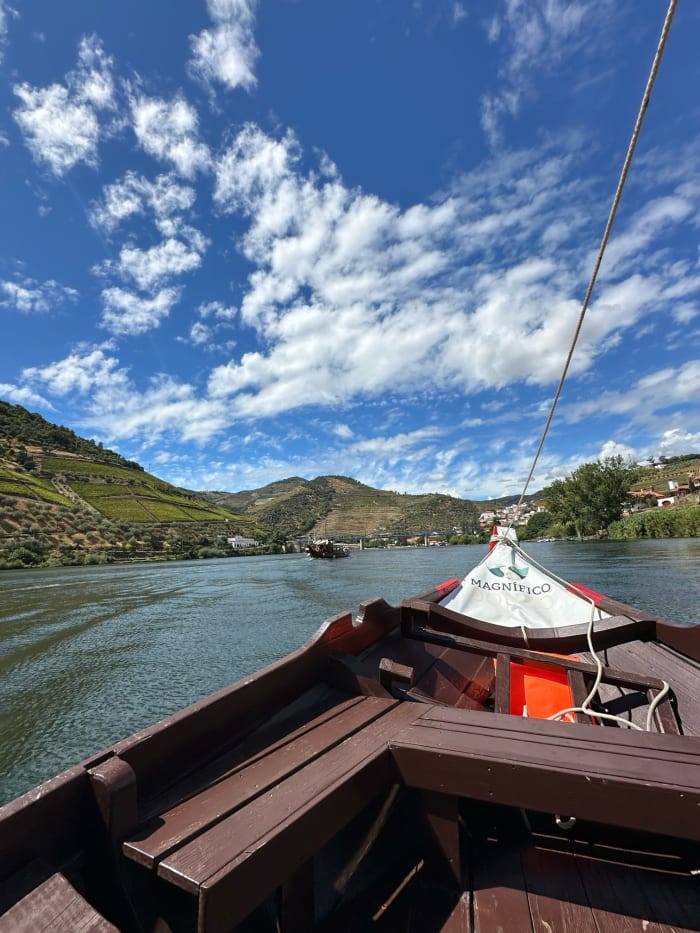
Boat Cruise on the Douro River: Where Grief Flows Naturally
There is something about moving slowly across water that lets grief surface without force. Here is why the Douro River cruise has become one of the most quietly powerful parts of the Portugal Grief Trip.