Grief Rituals Around the World: Fire Ceremonies, Hammams, and the Power of Ritual
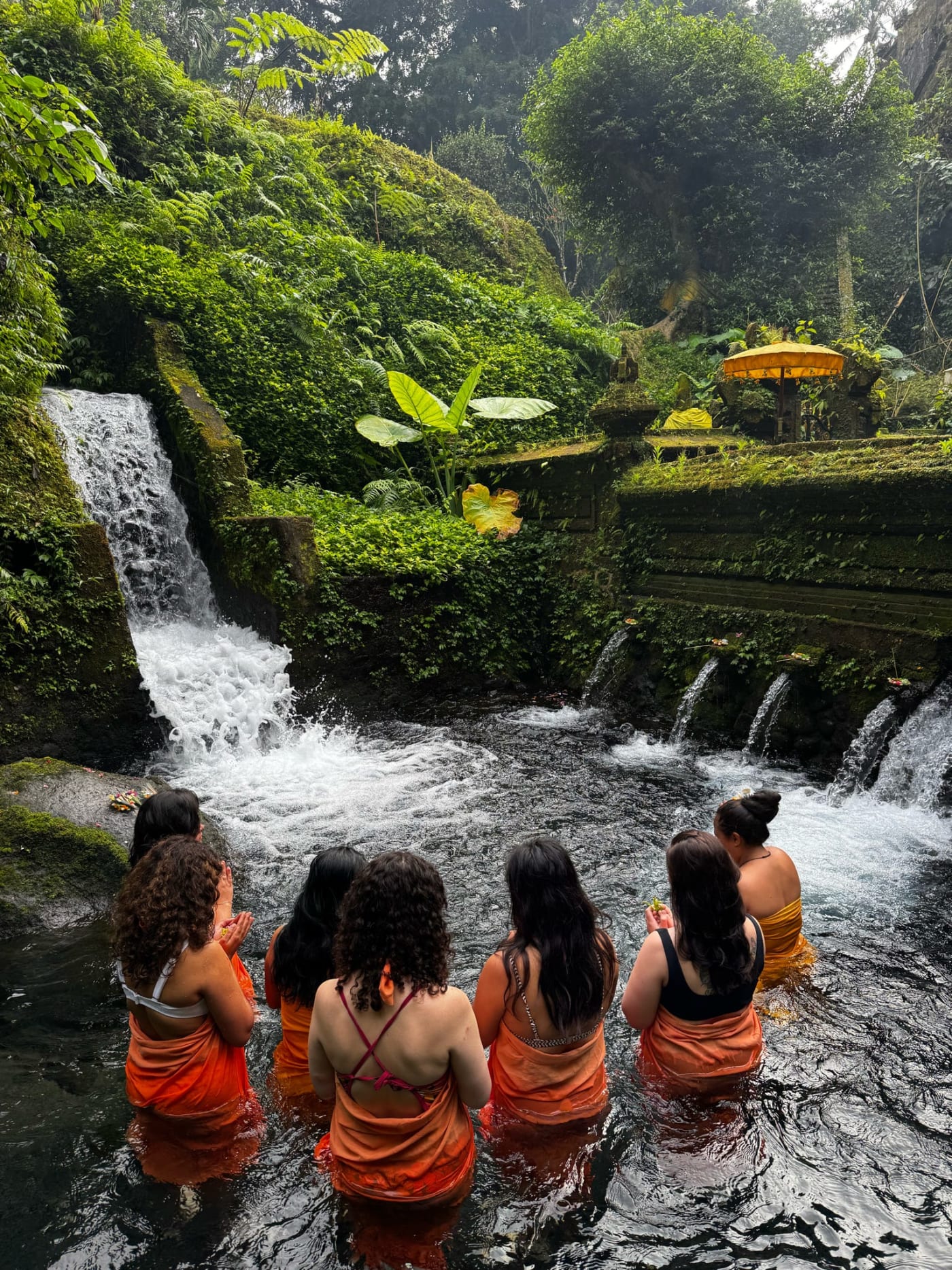
Why does ritual matter so much in grief? Because marking a loss with a deliberate act, rather than just letting time pass, appears to give people back a sense of control that grief otherwise strips away. Nearly every documented culture has developed some form of ritual around death, from fire to water to structured periods of mourning, and the specific form matters less than the fact of doing something on purpose.
The research behind an old instinct
In 2014, Harvard Business School researchers Michael Norton and Francesca Gino published a study in the Journal of Experimental Psychology testing something that ritual across cultures had already assumed for millennia: that performing a ritual after a loss measurably reduces grief. Across several experiments, people who were asked to carry out a ritual after a loss, or even just to recall one, reported less grief afterward than those who didn't. The effect showed up whether or not participants believed rituals actually "worked." What seemed to matter was the act of doing something structured and intentional, which the researchers linked to a restored sense of control. Grief, among other things, is an experience of helplessness. Ritual is one of the few reliable ways humans have found to push back against that feeling, even slightly.
That's worth sitting with, because it reframes what ritual is for. It isn't superstition, and it isn't required for grief to be legitimate. It's closer to a tool, one that shows up independently, in almost identical psychological form, across cultures that never had contact with one another.
Fire as a recurring language
Fire appears in mourning practices across an unusual number of unrelated cultures, which is part of why it reads as something closer to a universal human pattern than any single tradition's property. In Hindu practice, cremation, known as antyesti or "the last rite," is understood as a sacrifice that returns the body's elements to the universe and releases the spirit, with fire acting as the medium of that transition. Balinese Hindu communities hold elaborate cremation ceremonies called ngaben, in which the body is placed in an ornate structure and set alight, a ceremony understood not as an ending but as a release that allows the soul to move on. Across many other traditions, candles, torches, and bonfires appear in vigils and memorials as a simpler expression of the same idea: light as a stand-in for continuity, warmth, or a soul finding its way. Grief Trips itineraries have at times included a fire ceremony inspired by these traditions, understanding it as a borrowed form rather than a replica of any single culture's specific rite, offered as one way among several to mark something out loud.
Water, cleansing, and the body
Water shows up almost as often as fire, usually carrying a different idea: not transformation so much as release or purification. In Hindu tradition, ashes are often carried to the Ganges, a river itself considered sacred, so that the water can carry the person's remains onward. In many Islamic and North African communities, the hammam, a communal bathhouse with roots stretching back to Roman public baths and shaped over centuries by Islamic practices of ritual purification, remains a place where physical cleansing and a kind of spiritual clearing happen in the same gesture, historically undertaken before prayer and, in many households, as part of preparing for major life transitions. Grief Trips includes a hammam experience on its Morocco itinerary in that same spirit: not a spa treatment, but a quiet, physical act of washing something off, offered as an option rather than an obligation.
Structured time as its own kind of ritual
Not every mourning ritual involves an object or an element. Many cultures instead structure time itself. Jewish shiva sets aside seven days immediately after a burial for structured mourning and visits from community. Certain Buddhist traditions observe a forty-nine-day period after death, marked by specific observances along the way, reflecting a belief in a gradual transition rather than an instant one. Mexico's Día de los Muertos inverts the usual shape of mourning altogether, turning remembrance into an annual, communal, even joyful occasion built around altars, marigolds, and favorite foods of the dead. What these traditions share, despite having nothing else in common, is a refusal to leave grief's timeline unstructured. Each one says, in its own way: grieve now, in this form, for this long, together.
Why Grief Trips builds ritual moments into the week
None of the ceremonies on a Grief Trips itinerary claim to belong to, or replace, any single culture's specific mourning tradition. A candlelit farewell ceremony on a Maldives beach, a hammam visit in Marrakech, a fire ceremony under the Agafay desert sky — these are offered as structured opportunities to do something on purpose with a loss, drawing on the same instinct that shows up in nearly every mourning tradition on record, rather than performing any one of them. Participation is always optional. Nobody is required to speak, cry, or perform anything in particular. The point isn't the specific form. It's the chance, for a few minutes on a trip built around exactly this, to mark a loss deliberately instead of just letting another day pass over it.
That's the same principle underneath every retreat Grief Trips runs in Portugal, Morocco, and the Maldives: structure enough to hold the moment, and nothing scripted about what anyone has to feel inside it.
Curious what a grief trip is actually like?
Small-group grief retreats in Portugal, Morocco, and the Maldives. No pressure, applying just starts a conversation.
Join a Grief Trip ›You might also like
Why a Grief Trip Might Be the Most Powerful Thing You Do for Your Grief
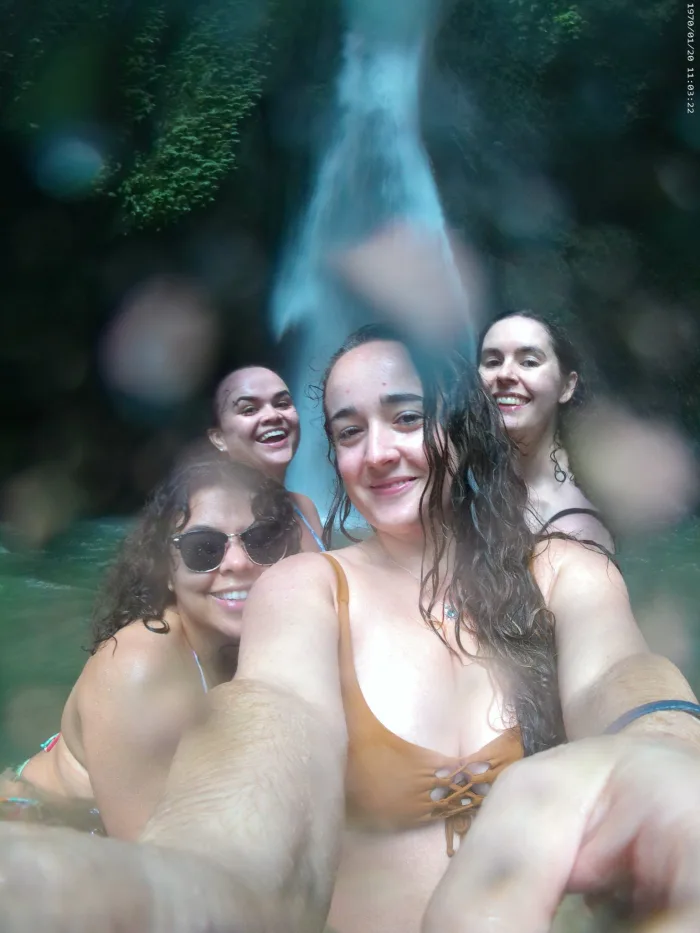
A grief trip will not fix your grief, but it can do something everyday life rarely does: give you a small group retreat where you are met exactly as you are, dedicated space to feel, and unexpected laughter alongside the sorrow.
The Art of Letting Go of Resistance: Grief Workshop in Porto
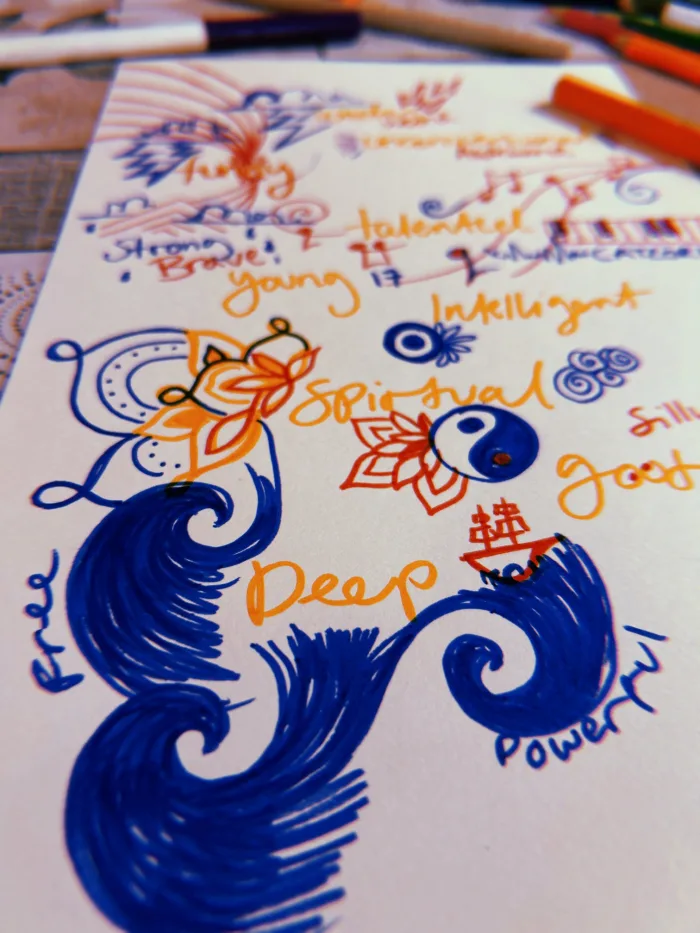
During a grief workshop in Porto, Rachel discovered that fighting her emotions was exhausting her more than the emotions themselves. Letting go of resistance, and picking up a paintbrush, changed everything.
What Does Diversity Add to Grief Trips?
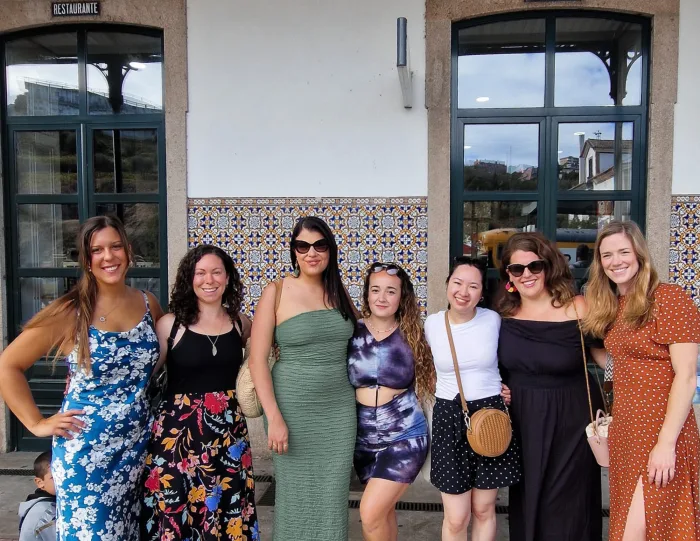
People often join a grief trip expecting connection with others who share their exact loss. What they find is something wider: perspective from grief that looks nothing like their own, and the quiet relief of no longer carrying it entirely alone.