Grief Yoga, Sharing Circles, and Other Grief Workshops Explained
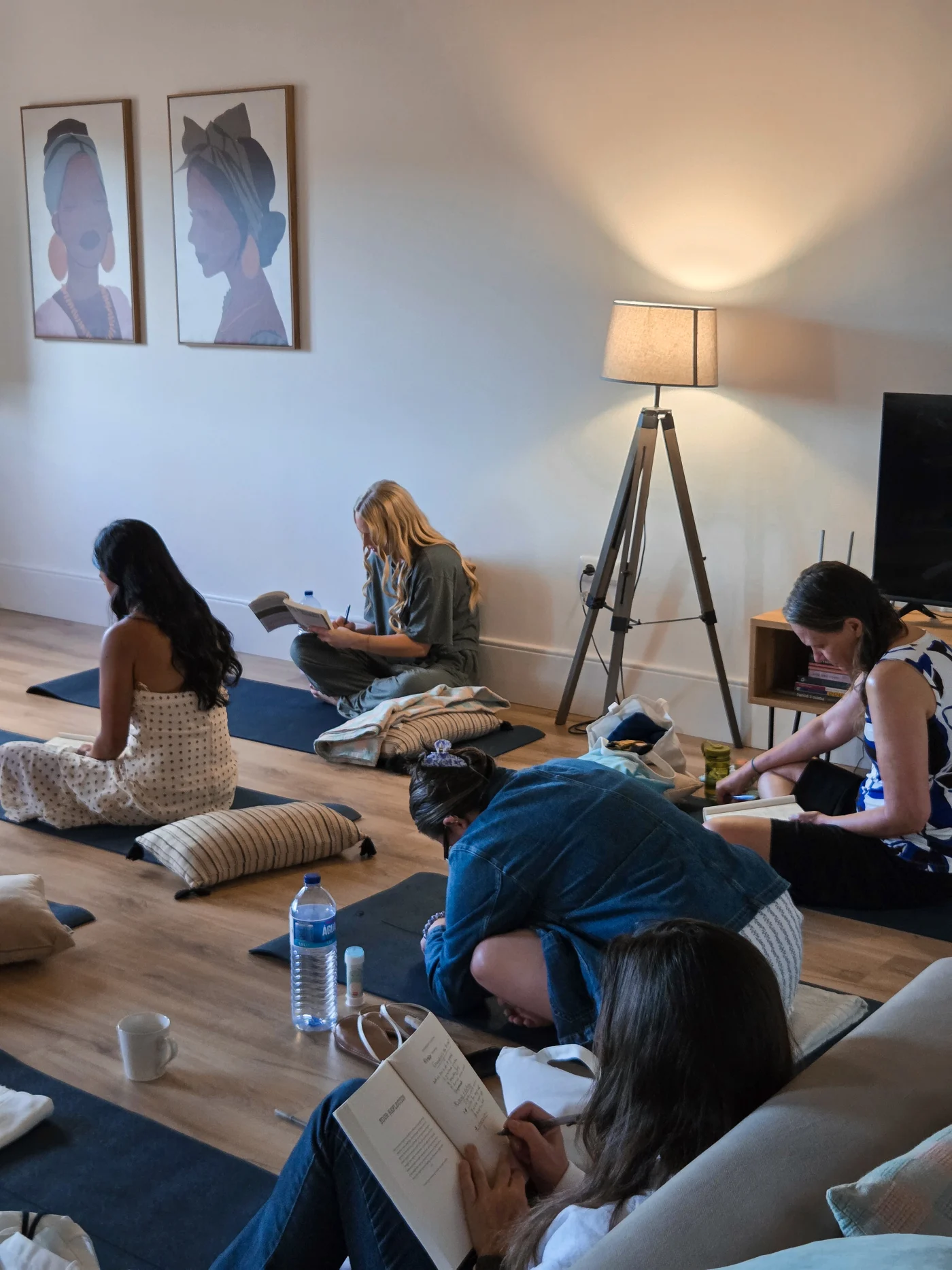
What actually happens in a grief workshop? Typically, some combination of gentle movement, an optional sharing circle, a letter-writing exercise, and a ritual or ceremony moment, none of which require anyone to perform emotion on cue. They're built to be entered at whatever depth feels bearable that day, including not at all.
Why the word "workshop" undersells it
"Workshop" is a strange word to attach to grief, and it's fair to feel wary of it. It sounds like something with a curriculum, a facilitator expecting output, maybe a moment where everyone has to share something personal in front of strangers whether they're ready or not. That's a reasonable fear, and it's not what these sessions are. Nobody is called on. Nobody is graded on how much they open up. The formats below exist because they've each shown up, in different contexts, as genuinely useful ways to process loss without needing to talk your way through it directly.
Grief yoga: movement, not fitness
Grief yoga, a practice developed by Paul Denniston and now taught widely, has nothing to do with athletic ability or flexibility. It combines slow movement, breath, and sometimes sound or voice, using props like bolsters and blankets so that a pose can be felt without needing to be held with any real exertion. The idea behind it is straightforward: grief lives in the body as much as in thought, as tightness in the chest, a held breath, a physical heaviness that doesn't respond well to being talked out. Moving through it, even gently, can access something that sitting and discussing it doesn't reach. Nobody needs prior yoga experience. Nobody needs to be able to touch their toes. The point is releasing something physically, at your own pace, in a room where everyone else is doing the same.
Sharing circles: structured enough to feel safe, optional enough to skip
A sharing circle is exactly what it sounds like: a group sitting together, usually with some agreed structure for whose turn it is to speak, built around one hard rule — sharing is never mandatory. You can talk. You can say one sentence. You can pass entirely and just listen. All three are treated as equally valid ways to participate. What makes a circle different from an ordinary conversation is that structure. Knowing there's a shared, unhurried rhythm to how it moves, and that nobody will jump in over you or push you to say more, tends to make people more willing to speak, not less, precisely because the pressure to perform or fill silence has been removed. The value for people who stay quiet the whole time is real too. Hearing someone else describe a version of what you're feeling, without having to respond to it, is its own kind of relief.
Letter-writing: a conversation that doesn't need an audience
Writing a letter to the person who died is one of the more well-studied tools in grief therapy, used in various forms across bereavement counseling and specifically in some treatment approaches for prolonged grief disorder. Research on the technique has found it can reduce grief intensity and strengthen what psychologists call continuing bonds, the ongoing, evolving relationship people maintain with someone after they've died. The letter is written, not read aloud. Nobody sees it unless you choose to share it, and most people don't. What the exercise offers is a place to say the things that didn't get said, ask the questions that never got answered, or just have an ordinary conversation you don't get to have anymore, on paper, without an audience, without a response, and without it being witnessed by anyone but you.
Ceremony and ritual: marking the loss without a script
Some sessions take the shape of a small ceremony rather than a workshop, whether that's a candlelit gathering on a beach, a fire ceremony, or a quieter ritual moment built into a hammam visit. These aren't performances either. They exist to give a group a shared, deliberate way to mark something out loud, together, for a few minutes, without requiring anyone to explain what it means to them personally. You can participate fully, stand at the edge of it, or simply be present. All of it counts.
The common thread: nothing here requires performance
What ties all of these formats together is the same underlying design choice: depth is always available, but never required. Nobody at a Grief Trips retreat is going to corner you into sharing your story, ask you to cry on schedule, or measure how "engaged" you were with the process. Some participants use every session fully. Others sit at the back of the circle for the entire week and later say that was exactly what they needed. Both are normal, and both are expected. The workshops exist to offer real tools for processing loss to the people ready to use them, not to manufacture a moment of catharsis for anyone who isn't.
That's the balance every Grief Trips itinerary is built around: real structure, real optional depth, and a group of roughly eight to twelve people who understand, without needing it explained, why you might want either.
Curious what a grief trip is actually like?
Small-group grief retreats in Portugal, Morocco, and the Maldives. No pressure, applying just starts a conversation.
Join a Grief Trip ›You might also like

Why a Grief Trip Might Be the Most Powerful Thing You Do for Your Grief
A grief trip will not fix your grief, but it can do something everyday life rarely does: give you a small group retreat where you are met exactly as you are, dedicated space to feel, and unexpected laughter alongside the sorrow.
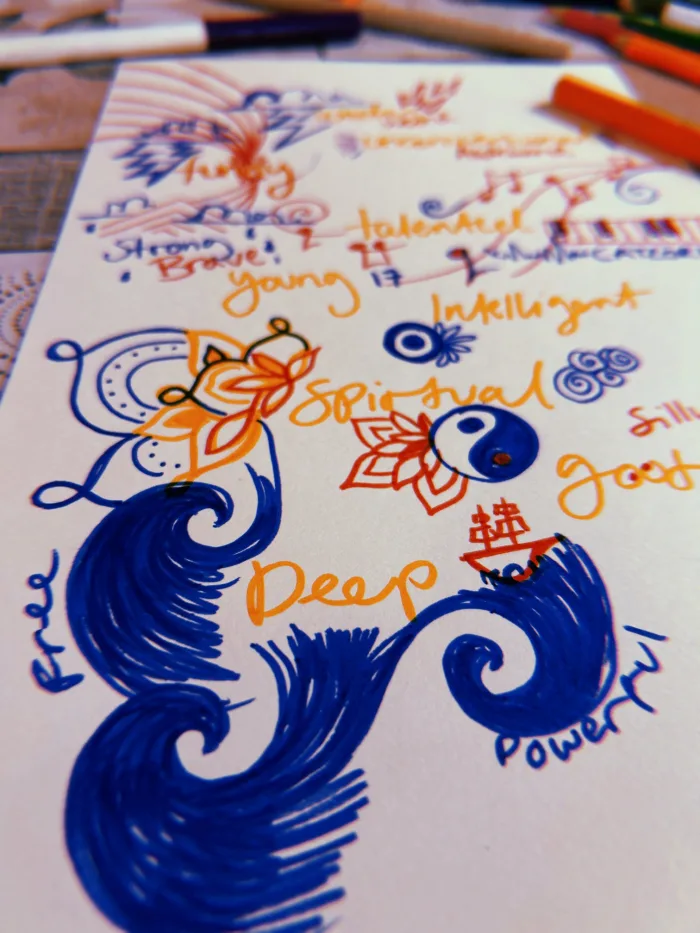
The Art of Letting Go of Resistance: Grief Workshop in Porto
During a grief workshop in Porto, Rachel discovered that fighting her emotions was exhausting her more than the emotions themselves. Letting go of resistance, and picking up a paintbrush, changed everything.
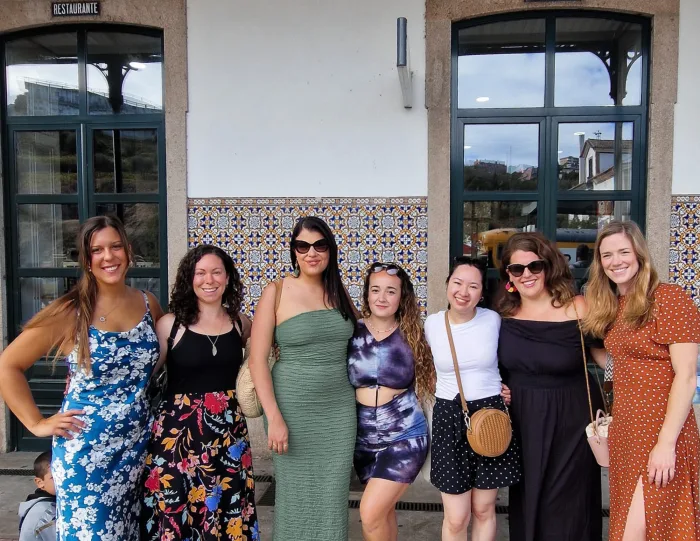
What Does Diversity Add to Grief Trips?
People often join a grief trip expecting connection with others who share their exact loss. What they find is something wider: perspective from grief that looks nothing like their own, and the quiet relief of no longer carrying it entirely alone.