How Do Grief Retreats Work?
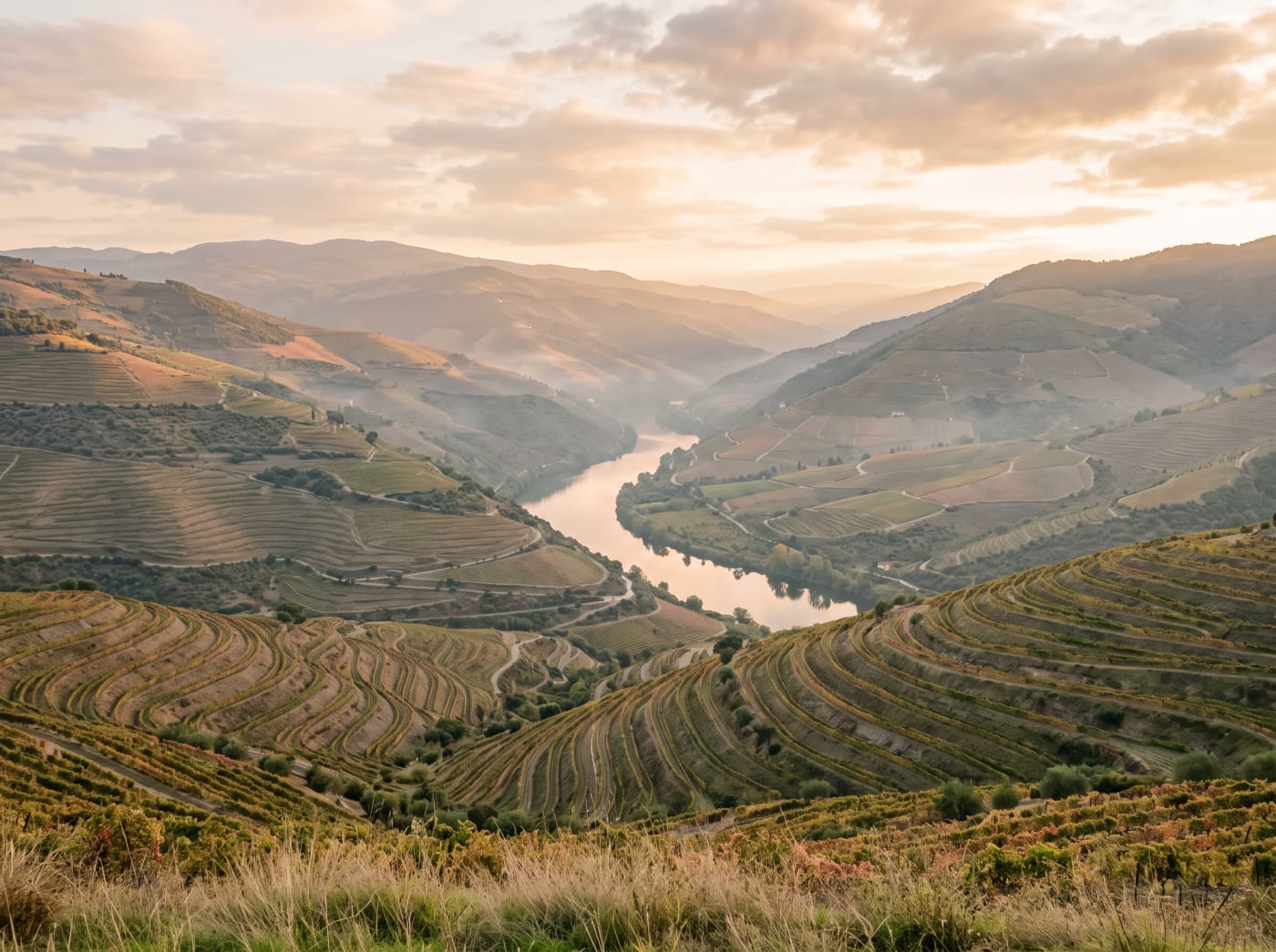
How do grief retreats work? Most run for several days in a small group, combining shared meals, free time in a destination worth being in, and optional facilitated conversation, with no set agenda for how much anyone shares. There's no therapy script and no fixed itinerary for feelings. The structure exists to hold space for grief, not to produce a particular outcome.
What they are not
The word retreat carries associations that can be misleading in the context of grief. Wellness retreats typically have a clear intention: improve health, build new habits, achieve a particular state of physical or mental wellbeing. A grief retreat is different. There's no state of wellbeing that's the destination. The goal, if there is one, is simply to be with the grief in conditions more supportive than everyday life typically provides.
A grief retreat is also not group therapy, though some elements may feel similar. The conversations that happen on a grief trip aren't facilitated with the structure or clinical intent of a therapeutic setting. They're the conversations that emerge naturally when a group of people who understand loss are placed in proximity with each other and given time.
What the structure typically looks like
The structure of a grief retreat is usually light: shared meals, which create natural moments of connection without requiring anyone to perform; time in places worth being in, whether landscapes, towns, or environments that offer something beyond the retreat itself; optional facilitated conversations or a grief workshop, which give people a container for what they want to explore without compelling disclosure; and space for solitude, which matters as much as space for connection.
The lightness of the structure is intentional. Heavy programming leaves little room for the unscheduled moments that are often the most significant, a conversation that begins on a walk and continues for hours, a silence shared over a meal that communicates more than words would.
What distinguishes a grief retreat from ordinary travel
What distinguishes a grief retreat from a trip taken with friends or alone isn't the destination or the activities. It's the shared context. When everyone present understands loss from the inside, the usual social rules around grief are suspended. There's no need to manage how much is being said. There's no risk of making someone uncomfortable by mentioning the person who died. There's no translation required.
This shared context changes how grief is experienced. It doesn't become smaller or easier. But it becomes less isolated, and for many people who join a small group retreat, that's exactly what they needed without knowing precisely how to ask for it.
Curious what a grief trip is actually like?
Small-group grief retreats in Portugal, Morocco, and the Maldives. No pressure, applying just starts a conversation.
Join a Grief Trip ›You might also like
Why a Grief Trip Might Be the Most Powerful Thing You Do for Your Grief
A grief trip will not fix your grief, but it can do something everyday life rarely does: give you a small group retreat where you are met exactly as you are, dedicated space to feel, and unexpected laughter alongside the sorrow.

The Art of Letting Go of Resistance: Grief Workshop in Porto
During a grief workshop in Porto, Rachel discovered that fighting her emotions was exhausting her more than the emotions themselves. Letting go of resistance, and picking up a paintbrush, changed everything.

What Does Diversity Add to Grief Trips?
People often join a grief trip expecting connection with others who share their exact loss. What they find is something wider: perspective from grief that looks nothing like their own, and the quiet relief of no longer carrying it entirely alone.