Visiting Marrakech and the Agafay Desert While Grieving: What to Expect
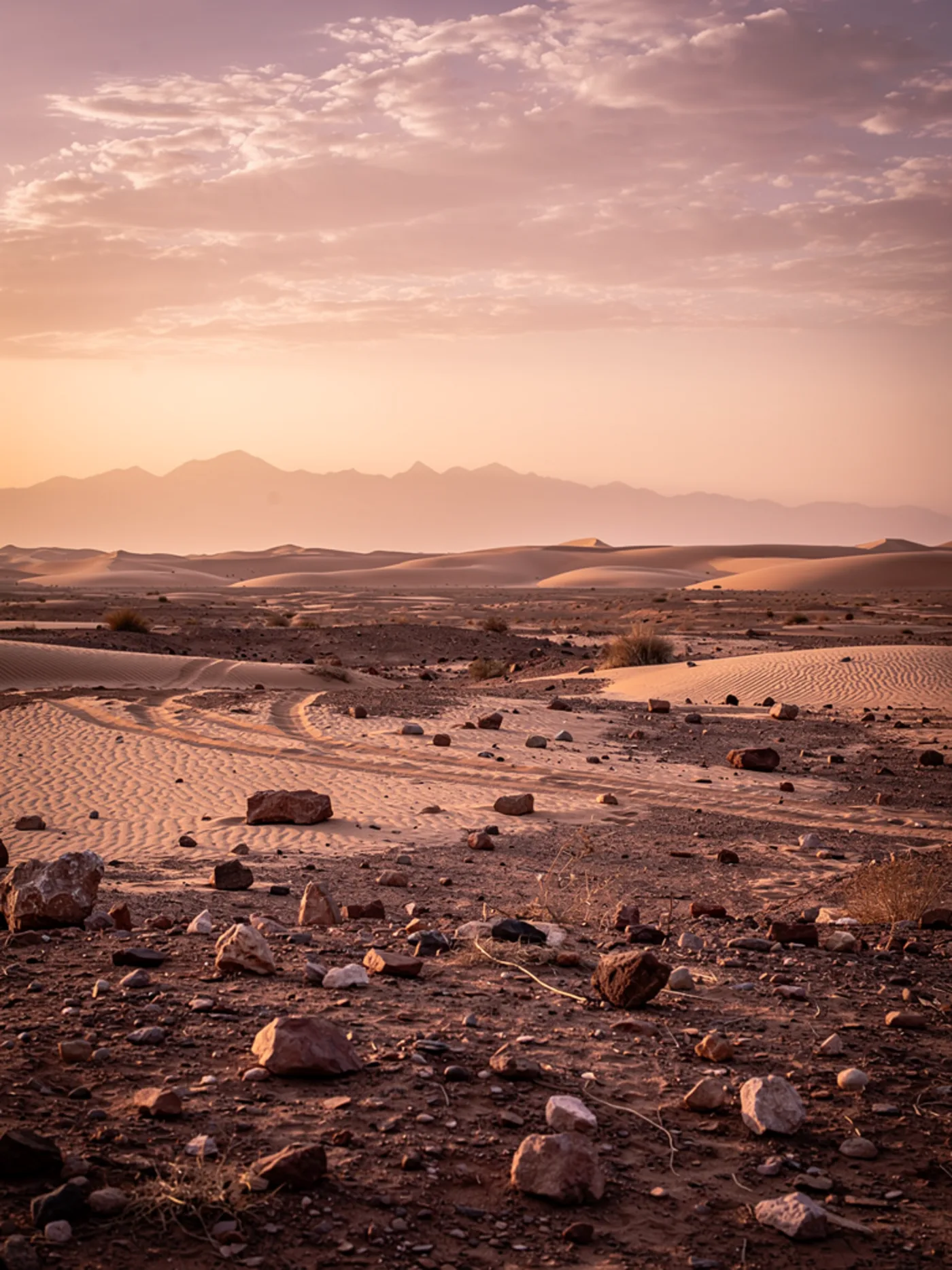
What should you actually expect from Marrakech and the Agafay Desert while grieving? A city that is loud, close, and constant in a way few other places on earth are, followed by a desert that goes almost completely silent once the sun goes down. The contrast between the two is the point. You don't have to choose between needing noise and needing quiet on this trip, because the itinerary gives you both within the same week.
The medina is built to disorient you, and that's normal
Marrakech's medina is a walled old city with no grid to speak of. Streets narrow, double back, and dead-end without warning, and getting lost within the first hour is close to universal rather than a sign you're doing something wrong. Riads, the traditional courtyard houses used as accommodation throughout the medina, are part of how the city manages this: from the outside they look like blank, unremarkable walls, and only once you step through the door does the courtyard open up, usually centered on a small fountain or citrus tree, with rooms arranged around it and a staircase up to a roof terrace. The design is old and practical. It keeps the street's noise and heat out and holds something calmer inside, which turns out to matter more than it sounds like it would when you're tired and don't want to explain yourself to anyone.
The souks ask a lot of your senses on purpose
The souks are where Marrakech does its loudest work. Spice stalls stack cumin, paprika, and turmeric into small hand-built pyramids of color. Leather workers dye hides in open vats you can smell before you see. Mint tea is offered constantly, poured from a height into small glasses, and bargaining is expected rather than rude, a genuine back-and-forth rather than a formality. None of it slows down for you, and that's arguably useful: grief can make the world feel muffled and far away, and the souks are the opposite of muffled. They put color, smell, and sound back within reach without requiring you to do anything except walk through them.
The hammam is a physical reset, not a spa treatment
A traditional hammam is worth understanding before you go, because it isn't the quiet, softly lit spa experience the word sometimes implies elsewhere. You sit in a steam room until your skin has properly softened, then an attendant scrubs you down with black soap and a rough kessa glove, removing a layer of skin you didn't know you were carrying. It's brisk, unglamorous, and entirely physical. For grief that's been stored in the body as tension, the hammam offers something rare: an experience that empties you out physically rather than asking you to process anything verbally.
Agafay is close, quiet, and much colder than the city after dark
The Agafay Desert sits under an hour from Marrakech, a rocky, arid landscape rather than the dune-and-sand image most people picture when they hear the word desert. It's used for overnight camps precisely because it's close enough for a single evening yet remote enough to feel like a genuine departure from the city. The defining thing to know before you go is the temperature swing: daytime heat, particularly in summer, can be intense, while desert nights run noticeably colder than Marrakech itself, sometimes by a significant margin, since there's no concrete or crowd of buildings to hold the day's warmth. A sunset dinner out here, usually tagine cooked slowly over coals with Berber musicians playing nearby, happens in that transition window, as the heat drops and the sky empties of everything except stars. Away from the city's light, the night sky over Agafay is genuinely dark, and for many people this is the quietest, stillest point of the entire week.
Matching the trip to how much stimulation you actually want
Marrakech is on the high end of sensory input compared to other Grief Trip destinations, and it's worth being honest with yourself about whether that sounds restorative or exhausting before you go. If grief has made the world feel flat and you want proof that it's still full of color and life, the medina delivers that in large, undiluted doses. If you need long stretches of nothing, the riad's interior courtyard and the desert's night silence are where that lives instead, both within easy reach of the noise rather than a separate trip entirely.
It's worth knowing, too, that Morocco is a Muslim country, and the call to prayer sounds out five times a day from minarets across the city, including before dawn. Most visitors describe it as one of the more grounding, rather than disruptive, parts of staying in the medina, a fixed rhythm running underneath everything else that has nothing to do with tourism and isn't performed for you. Alcohol is available in some riads and restaurants catering to visitors but isn't part of everyday life the way food and tea are, and it's worth adjusting expectations accordingly rather than being caught off guard.
Climate and timing
Marrakech has a hot, semi-arid climate with real seasonal range. Spring and autumn, roughly March through May and September through November, bring the most comfortable temperatures for walking the medina and spending a night in the desert, with days in the twenties Celsius and nights cool enough to want a layer. Summer turns properly hot, with the desert sun offering little shade during the day, though evenings still cool down. Winter days stay mild, but Agafay's winter nights can drop close to freezing, which surprises people who packed only for the daytime heat. Layers matter here more than almost anywhere else on the itinerary, for exactly that reason.
The city will still be loud tomorrow, and the desert will still be quiet. Neither one needs you to arrive ready for it.
Travel with people who understand
This story is from the Morocco Grief Trip. Small groups, grief workshops, and room to breathe.
See the trips ›You might also like
Why a Grief Trip Might Be the Most Powerful Thing You Do for Your Grief
A grief trip will not fix your grief, but it can do something everyday life rarely does: give you a small group retreat where you are met exactly as you are, dedicated space to feel, and unexpected laughter alongside the sorrow.
The Art of Letting Go of Resistance: Grief Workshop in Porto
During a grief workshop in Porto, Rachel discovered that fighting her emotions was exhausting her more than the emotions themselves. Letting go of resistance, and picking up a paintbrush, changed everything.
What Does Diversity Add to Grief Trips?
People often join a grief trip expecting connection with others who share their exact loss. What they find is something wider: perspective from grief that looks nothing like their own, and the quiet relief of no longer carrying it entirely alone.