What Actually Happens on a Grief Trip?

People often arrive on a grief trip with real uncertainty about what it will feel like. Some have never spoken openly about their loss outside a therapy room. Others have carried grief quietly for years and aren't sure how much they want to share. Most arrive with some version of the same question: will this actually help, and will I know how to be here?
So, what actually happens?
Not scripted healing exercises, and not group therapy. A grief trip is shared meals, walks, time in places worth being in, and optional facilitated conversation with no pressure to disclose more than you're ready for. What actually changes is smaller and more significant than any single activity: grief no longer needs to be hidden, managed, or explained.
The early days
The early days are usually quiet. There's a natural adjustment period as people settle into a space where grief doesn't need to be hidden. The unspoken social rule that governs most environments, that grief should be contained or at least not surfaced at inconvenient moments, is lifted. This matters more than it sounds. Many people carry grief in a state of constant management, and being somewhere that doesn't require that management is disorienting at first.
Conversations form gradually and without pressure. There are no structured exercises that require anyone to disclose more than they're ready for. The conversations that do happen emerge naturally from proximity and shared experience, not from a prescribed format.
What shifts, and what doesn't
The most significant shift on a grief retreat isn't what's done, it's what's no longer required. People stop translating their grief into language others can follow. They stop gauging whether what they're saying is too much, too raw, or too repetitive. They stop performing recovery. In a small group retreat where everyone is carrying loss, that translation and performance becomes unnecessary.
Silence becomes comfortable rather than awkward. A quiet dinner isn't a sign that conversation has failed. It's often a sign that people are simply existing together without needing to fill the space.
What doesn't shift is the grief itself. A grief trip isn't a place where loss gets resolved or processed in a way that diminishes it. The people who died are not forgotten, and the pain of their absence doesn't disappear. What changes is the experience of carrying that pain. It's no longer carried entirely alone.
What people often say afterwards
The things people most often describe taking from a grief trip aren't dramatic revelations. They're smaller and more durable: the experience of feeling genuinely understood, perhaps for the first time since the loss; the recognition that their grief, however specific, is also recognisably human; and relationships formed with people who knew them only as they are now, not as the person they were before the loss, and who accepted them in that state.
Some people describe a kind of permission the experience gave them. Permission to grieve without a timeline. Permission to speak about the person who died without worrying how others will respond. Permission to exist in the grief rather than fighting to move past it.
What remains after a grief trip isn't the resolution of loss. It's the memory of having been held by it, alongside others who understood.
Curious what a grief trip is actually like?
Small-group grief retreats in Portugal, Morocco, and the Maldives. No pressure, applying just starts a conversation.
Join a Grief Trip ›You might also like

Why a Grief Trip Might Be the Most Powerful Thing You Do for Your Grief
A grief trip will not fix your grief, but it can do something everyday life rarely does: give you a small group retreat where you are met exactly as you are, dedicated space to feel, and unexpected laughter alongside the sorrow.
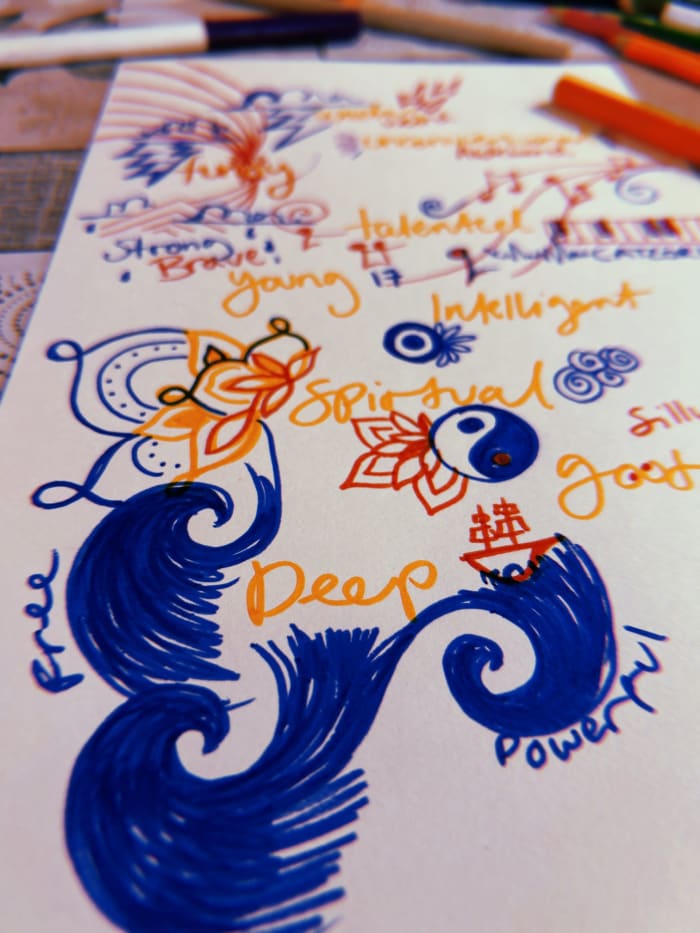
The Art of Letting Go of Resistance: Grief Workshop in Porto
During a grief workshop in Porto, Rachel discovered that fighting her emotions was exhausting her more than the emotions themselves. Letting go of resistance, and picking up a paintbrush, changed everything.

What Does Diversity Add to Grief Trips?
People often join a grief trip expecting connection with others who share their exact loss. What they find is something wider: perspective from grief that looks nothing like their own, and the quiet relief of no longer carrying it entirely alone.