What Does a Day on a Grief Trip Actually Look Like?
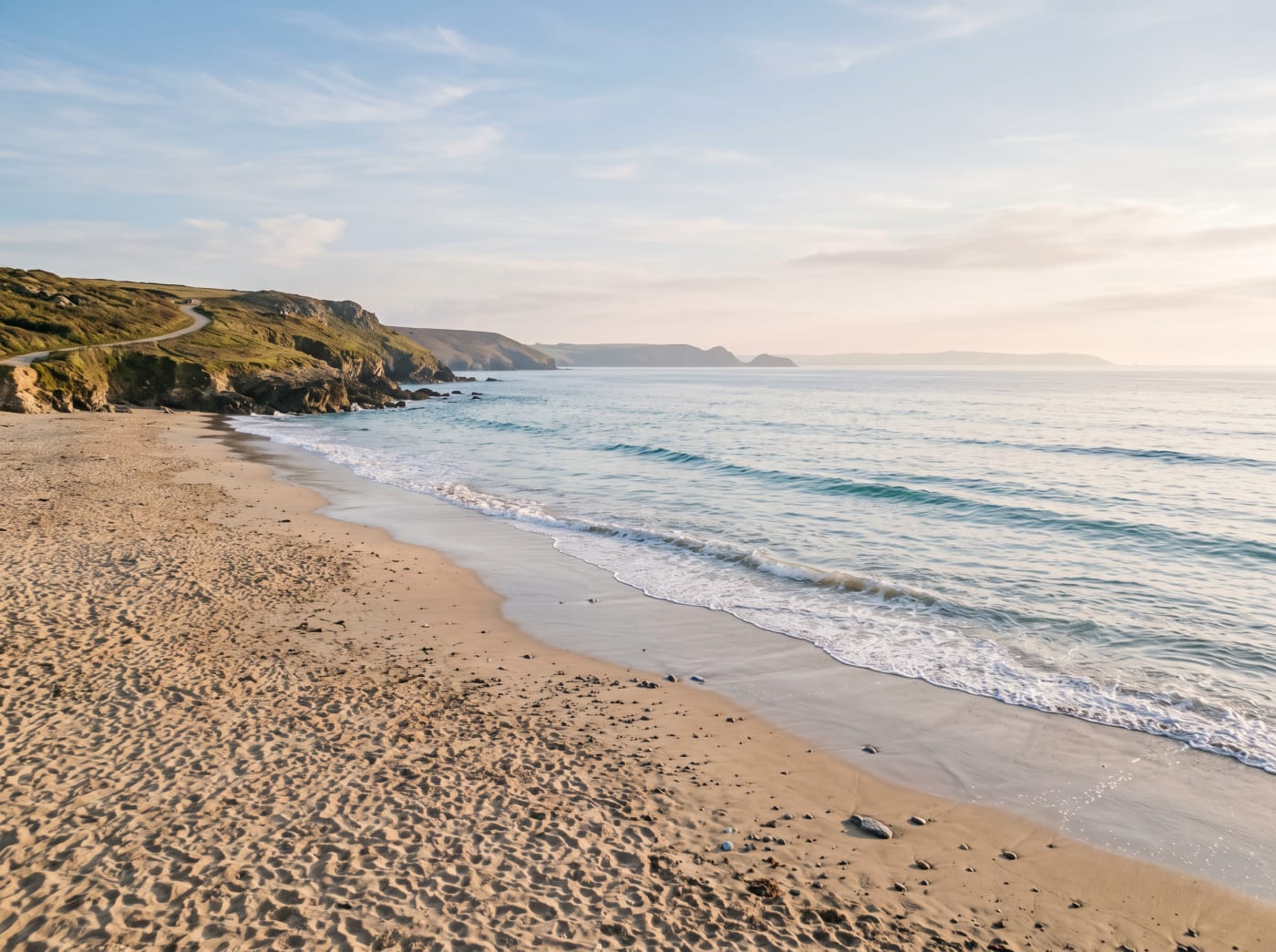
What does a day on a grief trip actually look like? Most days move through a similar rhythm: a shared breakfast, a morning workshop or sharing circle that's optional to join in on, an afternoon of free time or a group activity tied to the destination, a shared dinner, and on some evenings a ritual or a quieter gathering. No two trips run identically, and the specifics shift by destination and by the group in the room, but the underlying shape repeats enough that you can picture it before you go.
Waking up somewhere that isn't home
You're staying in a shared house or villa with the rest of the group, usually somewhere between eight and twelve people, most of whom came alone. Mornings are unhurried. There's coffee, there's a kitchen or terrace where people gather in twos and threes before anyone's fully awake, and there's no requirement to show up with energy you don't have. Grief doesn't clock out overnight, and mornings on a retreat are built around that fact rather than in spite of it.
Breakfast together
Breakfast is simple and shared, around a table, sometimes indoors and sometimes outside depending on the weather and the destination. This is usually where the loose plan for the day gets mentioned out loud: what time the workshop starts, what's happening that afternoon, whether anyone wants to walk into town first. It's low-key. Nobody's taking attendance, and nobody's expected to be talkative before they've had coffee.
The morning workshop or sharing circle
Most days include a facilitated session in the late morning, a grief workshop, a sharing circle, sometimes a specific practice like a letter-writing exercise or a guided reflection. A facilitator holds the space, but there's no script for how much any one person needs to say. Some people talk at length about who they lost. Some people listen the whole time and say almost nothing. Both are normal, and nobody keeps track of who did which. The point isn't to draw a certain amount of disclosure out of each person. It's to make room for whatever is true that day, and to make the parts of grief that don't come up easily in ordinary life a little easier to say out loud.
Free time, or something tied to the place
The afternoon usually opens up. Sometimes that means genuinely unstructured time, a nap, a walk on your own, an hour with a journal. Sometimes it's a planned activity that connects to where you are: a walk through the vineyards of Portugal's Douro Valley, a hammam in Marrakech, an afternoon on the water or the sand in the Maldives. These aren't sightseeing for its own sake. They're built on the idea that a change of scenery and a bit of physical movement can loosen something that sitting still can't. Participation here is optional too. Some people skip the group activity and take the afternoon alone, and that's treated as a reasonable choice, not an antisocial one.
Dinner, and the parts that aren't scheduled
Evenings usually center on a shared meal. Most meals on the trip are included, and dinner tends to be the one people linger over. Conversation ranges widely. Sometimes it circles back to grief. Often it doesn't, and people end up talking about something completely unrelated, which can feel like relief after a day of harder material. The unscheduled minutes around meals, clearing plates together, sitting outside afterward, end up mattering as much as the workshops do. Grief support doesn't only happen in the room set aside for it.
Some evenings, a ritual
Not every night, but some, the day closes with something more deliberate: a fire ceremony, a candle-lighting, a shared reading, something specific to that trip and that group. These moments tend to be some of the most quietly significant of the week, not because they're dramatic, but because they give people a concrete way to mark something that otherwise has no ritual left in ordinary life. Losing someone doesn't come with a built-in ceremony past the funeral. These evenings offer one, briefly, on your own terms.
A realistic day, not a fixed one
This is a composite, not a transcript of any single trip. The order shifts, the activities change by destination, and some days look nothing like this at all: a free day with no workshop, an early departure, a change of plan because of weather or how the group is doing that day. What stays consistent is the balance, enough structure that you're not left alone with grief for hours on end, and enough open time that nothing feels forced. If you've been putting off a retreat because you can't picture what the days would actually involve, that uncertainty is often the real barrier, and it tends to ease within the first morning, once you're sitting at that breakfast table with people who already understand.
Curious what a grief trip is actually like?
Small-group grief retreats in Portugal, Morocco, and the Maldives. No pressure, applying just starts a conversation.
Join a Grief Trip ›You might also like
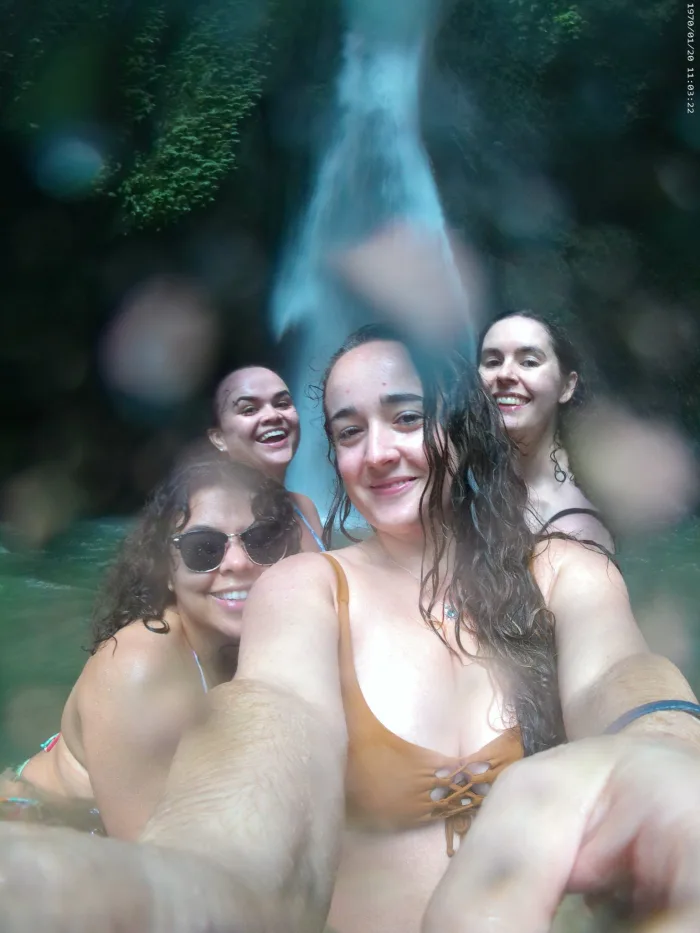
Why a Grief Trip Might Be the Most Powerful Thing You Do for Your Grief
A grief trip will not fix your grief, but it can do something everyday life rarely does: give you a small group retreat where you are met exactly as you are, dedicated space to feel, and unexpected laughter alongside the sorrow.
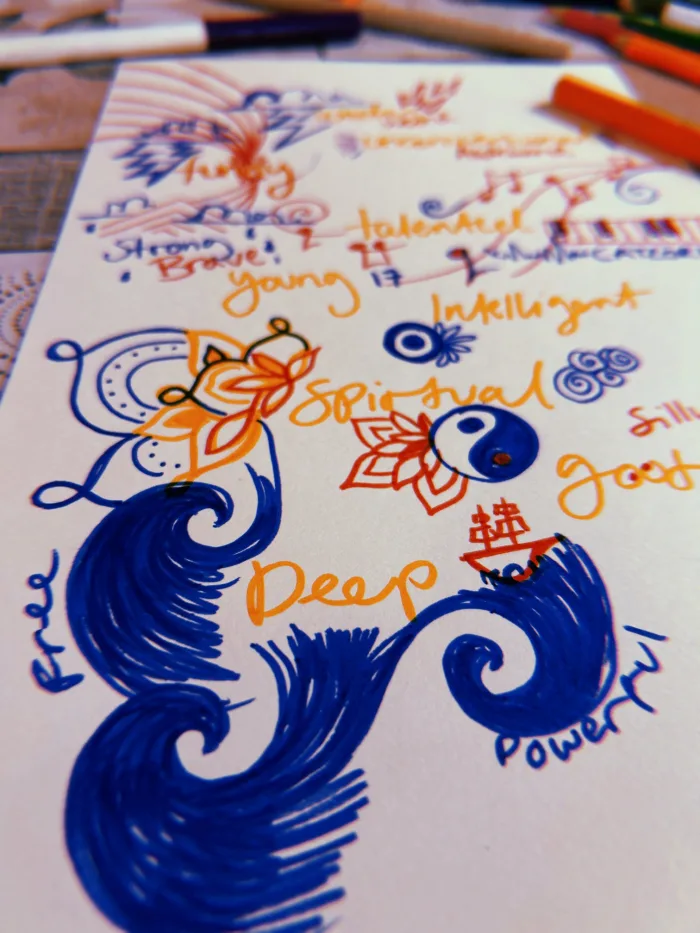
The Art of Letting Go of Resistance: Grief Workshop in Porto
During a grief workshop in Porto, Rachel discovered that fighting her emotions was exhausting her more than the emotions themselves. Letting go of resistance, and picking up a paintbrush, changed everything.
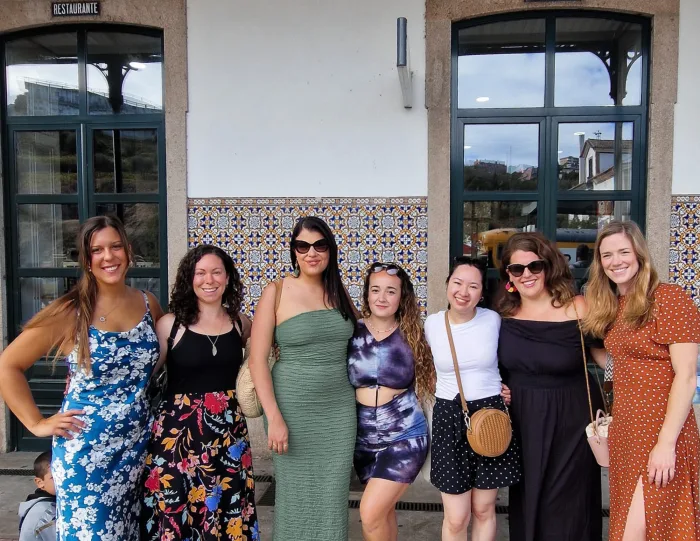
What Does Diversity Add to Grief Trips?
People often join a grief trip expecting connection with others who share their exact loss. What they find is something wider: perspective from grief that looks nothing like their own, and the quiet relief of no longer carrying it entirely alone.