What If

When grief gives you nowhere to put your anger, sometimes you turn it around and point it at yourself.
It's almost a relief when you do. If I had noticed the symptoms earlier. If I had been there. If I had pushed for a second opinion, insisted, refused to leave until someone listened. The what-ifs aren't really questions, they're a way of giving the anger somewhere to live. Even if the somewhere is you.
The logic nobody talks about
There's a logic to it that nobody admits honestly: it is easier to blame yourself than to blame no one. Because no one to blame means no one was in control. And no one in control means it could happen again, to anyone, at any time, for no reason. It means life is genuinely fragile, genuinely unpredictable, and genuinely indifferent to how carefully you pay attention, how much you love someone, or how hard you try to keep them.
That is a terrifying thing to sit with.
Self-blame, even when part of you knows it's irrational, at least puts a human hand on what happened. It makes it feel like the world has rules, even if you broke them. It makes death feel like something that could have been stopped, by you specifically, which is painful, but less frightening than the alternative. The alternative being that there was nothing to stop. That it was always going to happen exactly like this.
The guilt is a story we tell ourselves so we don't have to live inside that uncertainty.
My what-if was this: what if my dad had gone to the hospital earlier. He died of pneumonia, two days in ICU. What if I had noticed the symptoms sooner. What if I had been the one to tell him to go. What if I had insisted.
In my mind I had constructed a clean alternate ending: caught earlier, treated earlier, survived. I had been carrying that story for years as if it were a fact about what could have been. It was easier to live inside that story than to accept the other one: that symptoms are easy to miss, that people can die suddenly and unexpectedly even when the people who love them are paying attention, that I could have noticed everything and it still might have ended the same way.
Because if that's true, if there was nothing to catch, nothing to have done differently, then it can happen again. To anyone. Without warning. And there is nothing you can do to stop it.
A stranger in Corfu
Then I met someone while traveling in Corfu, Greece. His dad had also died of pneumonia. But his dad went to the hospital early. He was there for forty days, at least two weeks in the ICU, and his son watched him deteriorate every single one of those days. He still died.
His what-if was different: what if I had stopped him going for his morning swim when he was already sick. That was the moment he blamed himself for. But my dad was at home in bed, on medication, not swimming anywhere, and he still died in two days.
We sat with that for a moment, both of us holding the other's story. The what-ifs didn't fit anymore. Not because they were proven impossible: his dad could theoretically have survived the swim, mine could theoretically have survived an earlier hospital visit. But they had become just one outcome among many others. Not the outcome. Not the one true version of what should have happened and didn't.
By the end of that conversation, the stories felt lighter than when we started. Heavy things exchanged between strangers, and somehow lighter for it. This is one of the quiet things travel with the right people can do: put you across from a stranger who is carrying something so similar, and let both stories get a little lighter.
The what-if doesn't need to be disproven to stop weighing on you. It just needs to stop being the only story. It needs to become one possibility in a world that was always going to do whatever it was going to do, regardless of what you did or didn't notice, insist on, or prevent.
He could have still died. They so often still die.
Curious what a grief trip is actually like?
Small-group grief retreats in Portugal, Morocco, and the Maldives. No pressure, applying just starts a conversation.
Join a Grief Trip ›You might also like
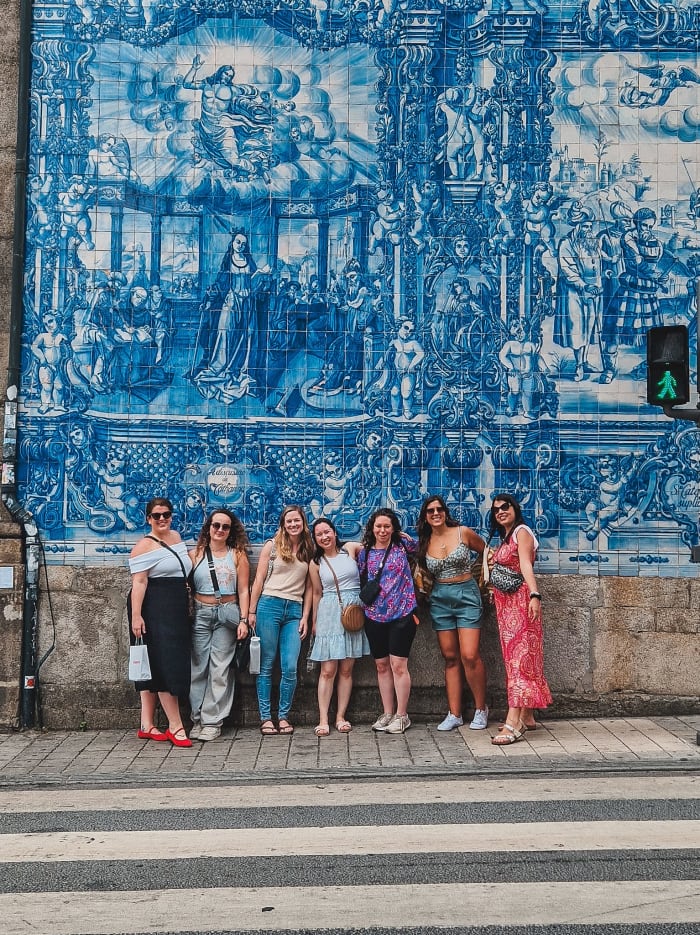
Finding My Grief Soul Sisters on Grief Trips
On a Portugal Grief Trip, Rachel found seven soul sisters, women who understood her grief without needing an explanation. A small group, an ocean of shared loss, and a bond that changed her.

Review: Cassandra on Maldives Grief Trip
After my mom's unexpected death, my whole world split apart. The Maldives Grief Trip gave me a space to feel alive again, less alone, and truly seen.
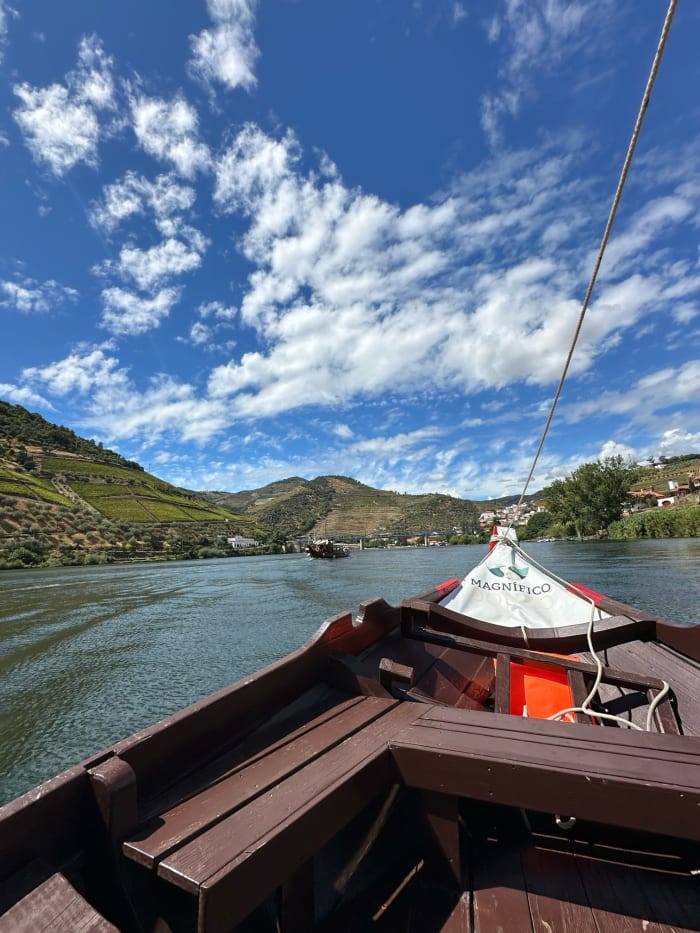
Boat Cruise on the Douro River: Where Grief Flows Naturally
There is something about moving slowly across water that lets grief surface without force. Here is why the Douro River cruise has become one of the most quietly powerful parts of the Portugal Grief Trip.