Why Grief Feels So Lonely Even When You’re Not Alone

There is a kind of loneliness that arrives with grief that has very little to do with physical isolation. It can exist in rooms full of people, in conversations that seem to be going well, in relationships where there is genuine care on both sides. It is not the loneliness of being alone. It is the loneliness of being fundamentally misunderstood (or, more precisely, of not being fully able to be known).
Why grief creates this particular kind of isolation
Grief is not just an emotional response to loss. It is an internal shift in how reality is experienced. After a significant loss, the world looks different. Familiar things carry unfamiliar weight. Time moves strangely. The ordinary activities of daily life can feel both necessary and faintly absurd. The person who has died is absent in a way that is not simply noticed but felt continuously.
This internal shift does not translate easily into shared language. When you try to explain what grief feels like to someone who has not experienced significant loss, the words available are often insufficient. They describe the surface of the experience rather than the interior. The people listening, however kindly and attentively, receive a version of what you are carrying that is necessarily incomplete.
The translation burden
Over time, many bereaved people begin to carry more of their grief privately. Not because they have stopped grieving, and not because they have recovered, but because the effort of explaining becomes exhausting. They develop a working vocabulary of manageable things they can say (they are doing okay, they have good days and bad days, they are getting there) that allows social interaction to continue without requiring the full reality to be made visible.
This creates a gap between what is actually being experienced and what can be comfortably expressed. The gap tends to grow over time, as the public expectation that grief should be receding meets the private reality that it is still very much present.
Why shared experience changes this
The loneliness of grief is significantly reduced when it is no longer necessary to translate. When the person you are talking to has their own version of the same internal landscape, when they understand from the inside what it is to carry an absence that shapes every experience, the effort of explanation falls away.
This is what people most consistently report from a grief retreat or a grief workshop held in small group settings: not that the grief became smaller, but that the loneliness of it changed. They were in a room, or at a table, or on a walk, with people who simply understood. Without explanation. Without management. Without the gap between what was felt and what could be said. It is one of the quieter reasons people choose to join a grief trip: not for the itinerary, but for the relief of being fully known.
The grief remains. The isolation doesn't have to.
Grief itself cannot be shared in the sense of being distributed or divided. Each person carries their own loss in their own way. But the experience of carrying grief does not have to be entirely solitary. Being genuinely understood, not explained to, not advised, simply recognized, is one of the most significant things another person can offer. It is something that only someone who has also carried loss is usually able to give, which is exactly what a small group of fellow grievers, gathered somewhere far from the routines of home, can offer each other.
Curious what a grief trip is actually like?
Small-group grief retreats in Portugal, Morocco, and the Maldives. No pressure, applying just starts a conversation.
Join a Grief Trip ›You might also like

Why a Grief Trip Might Be the Most Powerful Thing You Do for Your Grief
A grief trip will not fix your grief, but it can do something everyday life rarely does: give you a small group retreat where you are met exactly as you are, dedicated space to feel, and unexpected laughter alongside the sorrow.
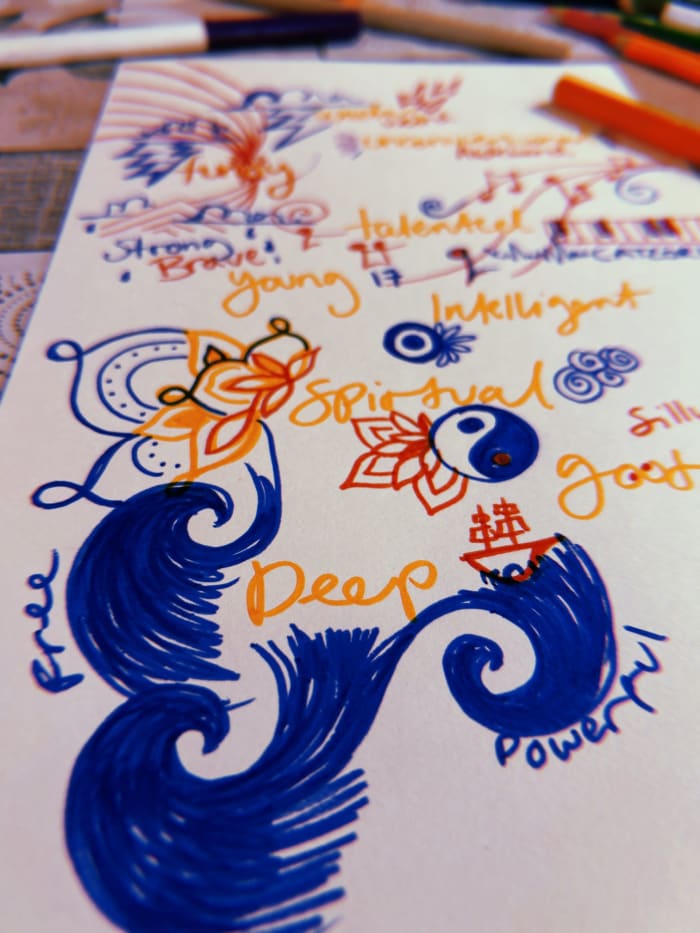
The Art of Letting Go of Resistance: Grief Workshop in Porto
During a grief workshop in Porto, Rachel discovered that fighting her emotions was exhausting her more than the emotions themselves. Letting go of resistance, and picking up a paintbrush, changed everything.

What Does Diversity Add to Grief Trips?
People often join a grief trip expecting connection with others who share their exact loss. What they find is something wider: perspective from grief that looks nothing like their own, and the quiet relief of no longer carrying it entirely alone.