Why Rachel Started Grief Trips: The Founder's Story
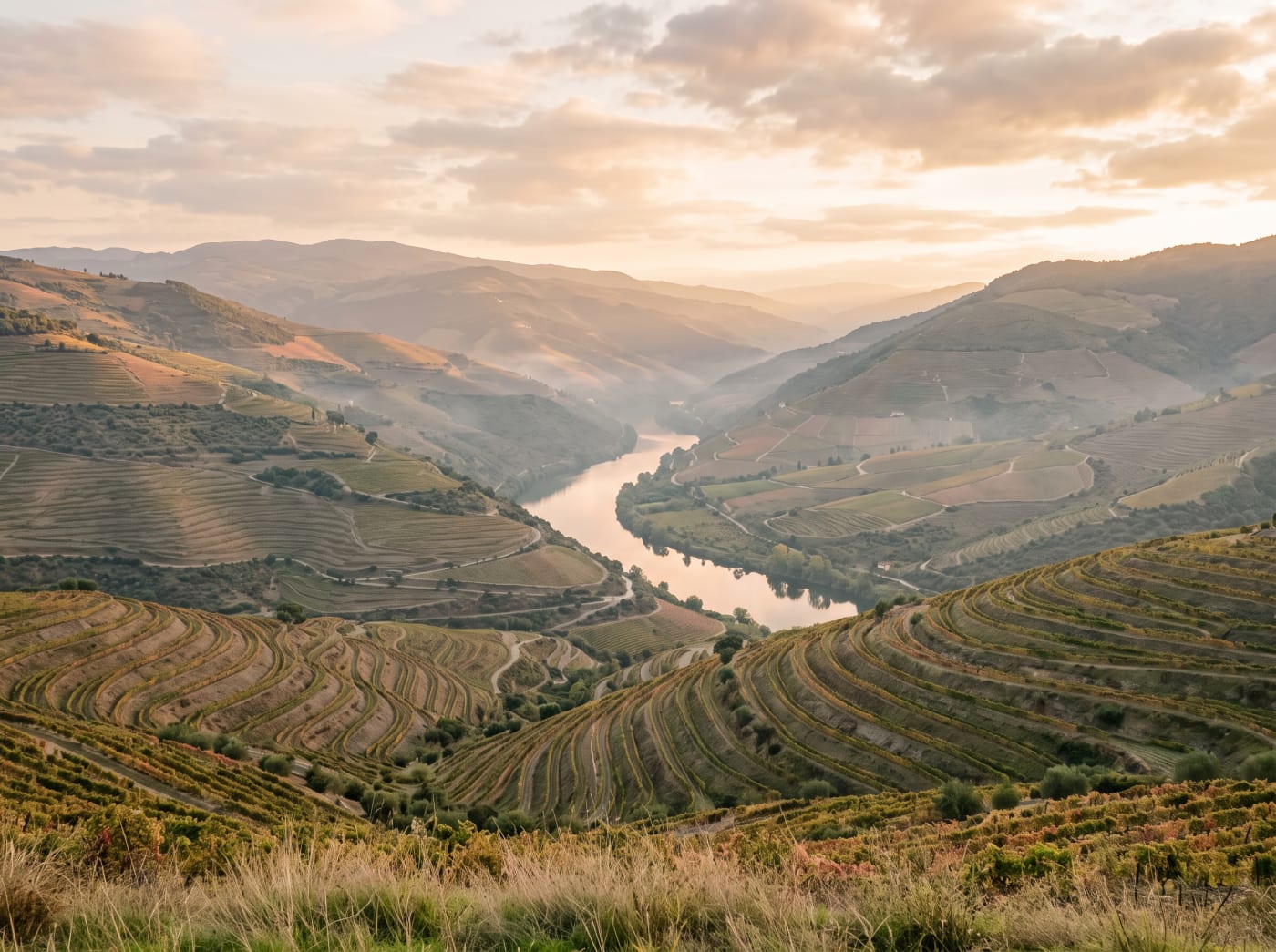
Why did Rachel start Grief Trips? Because after losing her father in her twenties, she couldn't find a form of grief support that fit how she actually needed to grieve — something between a clinical therapy session and being expected to carry on as normal — so she built one, using the thing that had helped her most: going somewhere else, with people who understood, and having room to just be in it.
A loss that didn't fit the available options
Losing a parent in your twenties sits at an odd angle to the world around you. Most of your peers aren't dealing with this kind of loss yet, which can make grief feel like a language no one nearby speaks. Rachel lost her father during this stretch of life, and in the aftermath she ran into a problem a lot of people in grief eventually run into: the support available to her didn't match the shape of what she was feeling.
There was individual therapy, useful but bounded to an hour at a time, disconnected from the rest of her days. There was the quiet expectation from the world around her that she'd be "back to normal" within some unspoken window. And there was the isolation that comes from grieving something specific and personal in a culture that's generally uncomfortable sitting with loss for very long. None of it was built for someone who needed grief to take up more space than that, without needing it to be fixed.
What she noticed was missing
Grief support in most forms tends to assume one of two shapes: clinical, one-on-one, and scheduled, or informal and left to whoever happens to be around. What was largely missing, in Rachel's experience, was something in between — a space designed specifically for people carrying loss, where grief wasn't the whole point of being there, but it also wasn't something to hide. A place where you could talk about the person you lost, or not, without either choice being read as a signal about how you were doing.
She also noticed how much isolation compounds grief. Not isolation in the literal sense of being alone, necessarily, but the isolation of being surrounded by people who love you and still feeling like you're the only one who understands what this particular loss is like. Being around other people who are also grieving, even people who lost entirely different people in entirely different ways, seemed to loosen something that individual support alone couldn't reach.
What travel actually gave her
When Rachel first turned to travel after her father died, she was hoping it would bring her back to who she had been before. It didn't. But it did something she hadn't expected. Being somewhere new handed her back a sense of choice — what to do, where to go, how to spend a day — instead of letting grief decide the shape of every hour for her.
And then came the part she couldn't have planned. She started meeting people who had also lost someone young: strangers who told her their stories over coffee, on trains, in the quiet corners of cities she didn't know. With each conversation she felt a little less unanchored. A little less like grief had made her strange.
Those moments were proof that I wasn't alone, which was exactly what I needed most.
That is the insight Grief Trips is built on: that a new place and people who understand can, together, reach something neither one manages on its own.
Building something with no script
That thinking became Grief Trips, part of Happy Grieving, the wider effort Rachel built around supporting people through loss. The model she landed on deliberately avoids a fixed therapeutic agenda. There's no script dictating how much anyone has to share, no itinerary for feelings, no expectation that everyone arrives at some tidy resolution by the final day. Instead, small groups of roughly eight to twelve people travel together for several days, with daily grief workshops and one-to-one support built in alongside shared meals, free time, and a destination genuinely worth being in.
Most people who join travel alone, which turns out to be one of the model's quiet strengths — strangers carrying different losses, with no history between them to manage, tend to talk to each other with a directness that's harder to find at home. Rachel reads every application herself, in part because getting the group right matters as much as getting the destination right.
Why the destinations aren't incidental
The trips run in Portugal, Morocco, and the Maldives — places chosen for being worth traveling to on their own terms, not as backdrops for a program. That distinction seems to matter to how the model works. A grief retreat that feels like a treatment plan wearing a travel itinerary isn't the same experience as a real trip, somewhere beautiful, that happens to hold space for grief alongside everything else it offers. It's a fitting choice for someone who built this out of her own loss rather than a formula: the destination isn't decoration around the grief work, it's part of why the week works at all.
Holding it on purpose
Rachel didn't want those moments to stay accidental — the kind of thing that only happens if you're lucky enough to meet the right stranger on the right train. She created Grief Trips to hold that experience on purpose: so that she could return to it, and so that other people could find it without leaving it to chance. It's the particular kind of living that happens when connection, joy, and grief are allowed to exist side by side, rather than taking turns.
That also shapes who the trips are for. The groups are deliberately mixed — different ages, backgrounds, and kinds of loss — because part of what loosens isolation is discovering that grief, so specific and solitary from the inside, is something an entire roomful of very different people are quietly carrying too.
A model built from what was missing, not a formula
There isn't a dramatic founding story beyond the one that's true: a woman lost her father, found that existing grief support didn't fit, and built something closer to what she'd needed. What Grief Trips has become is less a business plan than an answer to a specific gap Rachel lived through personally — support that doesn't ask you to perform recovery on a schedule, delivered somewhere worth being, alongside people who don't need your grief explained to them.
That's still the model today: small groups, honest space, no fixed script for what grief is supposed to look like along the way.
Curious what a grief trip is actually like?
Small-group grief retreats in Portugal, Morocco, and the Maldives. No pressure, applying just starts a conversation.
Join a Grief Trip ›You might also like

Why a Grief Trip Might Be the Most Powerful Thing You Do for Your Grief
A grief trip will not fix your grief, but it can do something everyday life rarely does: give you a small group retreat where you are met exactly as you are, dedicated space to feel, and unexpected laughter alongside the sorrow.
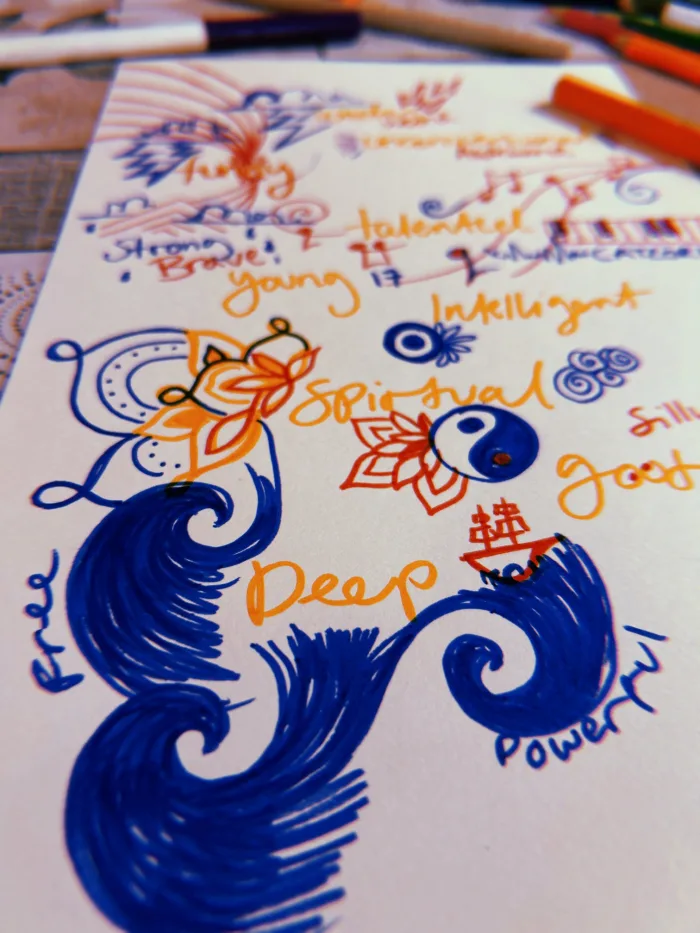
The Art of Letting Go of Resistance: Grief Workshop in Porto
During a grief workshop in Porto, Rachel discovered that fighting her emotions was exhausting her more than the emotions themselves. Letting go of resistance, and picking up a paintbrush, changed everything.
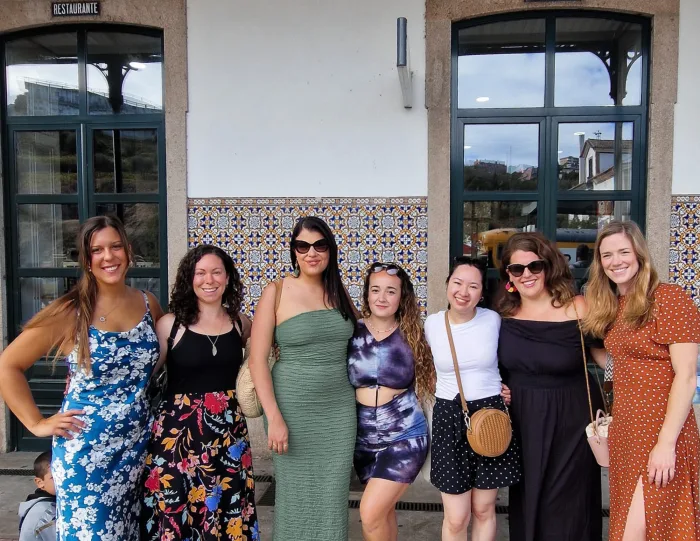
What Does Diversity Add to Grief Trips?
People often join a grief trip expecting connection with others who share their exact loss. What they find is something wider: perspective from grief that looks nothing like their own, and the quiet relief of no longer carrying it entirely alone.