Will I Be a Burden to the Group If I Cry a Lot?

Will you be a burden to the group if you cry a lot? No. On a grief retreat specifically, this fear tends to be far larger in someone's head beforehand than it ever turns out to be in the room. A group of people who are also grieving is generally the most tolerant audience there is for tears, because everyone there already understands that someone else's crying isn't a demand on their energy, patience, or emotional resources.
A different fear than "what if I cry the whole time"
There's a related worry that gets asked a lot: what if I cry the whole time I'm there. That one is really about the person's own experience, whether they'll be able to function, whether the trip will feel like nothing but tears. This is a different fear, and a quieter one. It's not about whether you can handle your own crying. It's about whether other people can handle it, and what it costs them if they have to. It shows up as a kind of social math: if I cry in front of six other people, am I taking something from each of them? Am I the person everyone has to manage?
Where this particular fear comes from
This worry usually has nothing to do with grief specifically. It's an extension of a much older habit, common to people who spend a lot of time taking care of others, of monitoring their own emotional expression for its effect on the room. Maybe you learned early that big feelings made someone else uncomfortable, or that being the strong one meant keeping things tidy so nobody else had to deal with the mess. That instinct doesn't disappear just because the circumstance now genuinely warrants tears. If anything, grief tends to amplify it, because grief is already disorienting enough without also worrying you're inconveniencing the people around you while you're in it.
Why a grieving group holds this differently
The thing that changes the math entirely is who else is in the room. In most social settings, someone crying can create real pressure: to comfort them, to fix it, to say the right thing, to somehow make it stop. In a room built specifically for grief, none of that pressure exists in the same way, because everyone present has been exactly where you are. They've had their own moment of crying in front of relative strangers and needing it to be okay. Nobody in that room experiences your tears as an imposition, because they know from the inside that grief doesn't operate on a schedule convenient to anyone watching.
There's also no expectation that anyone has to fix another person's tears. Facilitated grief support isn't built around making sadness go away as quickly as possible. It's built around letting it be witnessed without anyone needing to perform a rescue. That takes the pressure off you and off everyone else. Crying doesn't require a response from the group beyond presence, and presence is not a limited resource the way advice or reassurance can feel like it is.
What actually happens when someone cries
In practice, what tends to happen is undramatic. Someone cries, someone maybe passes a tissue or sits a little closer, the conversation continues or pauses, and nobody treats it as an event that needs to be resolved before the day can move forward. Other people in the group are frequently moved to their own tears alongside you, not because your grief has burdened them, but because it's touched something true in their own. That's not a cost you've imposed. It's closer to the actual point of being together: grief recognized out loud tends to give other people permission to feel their own, which is generally experienced as relief, not burden.
It's also worth saying that plenty of people who arrive worried about crying too much end up crying far less than they expected, once the anticipatory dread of holding it together in front of strangers falls away. And the people who do cry a great deal are, without exception, not remembered afterward as the person who was "too much." They're remembered as someone who was honest at a moment when honesty was hard.
The math you're doing is the wrong math
It's worth naming the underlying assumption directly, because it usually doesn't survive being said out loud: the idea that emotional expression is a finite resource other people have to spend on you. That's not really how presence works, especially among people who came together specifically to be present for exactly this. Sitting with someone else's tears doesn't drain a facilitator or a fellow traveller the way, say, being asked to solve a stranger's problem might. Nobody in that room is expected to fix your grief, only to be there while it moves through you, and being there costs far less than the version of "burden" most people are quietly afraid of.
What this means in practice
On a Grief Trips retreat, sharing is always optional, but so is holding back. Nobody keeps score of who cried the most, and nobody there is counting the cost of someone else's tears, because they know firsthand what it took to let those tears out in front of other people. Small groups of eight to twelve, most of them travelling solo, exist precisely so that this kind of thing can happen without anyone needing to apologize for it afterward.
Curious what a grief trip is actually like?
Small-group grief retreats in Portugal, Morocco, and the Maldives. No pressure, applying just starts a conversation.
Join a Grief Trip ›You might also like

Why a Grief Trip Might Be the Most Powerful Thing You Do for Your Grief
A grief trip will not fix your grief, but it can do something everyday life rarely does: give you a small group retreat where you are met exactly as you are, dedicated space to feel, and unexpected laughter alongside the sorrow.
The Art of Letting Go of Resistance: Grief Workshop in Porto
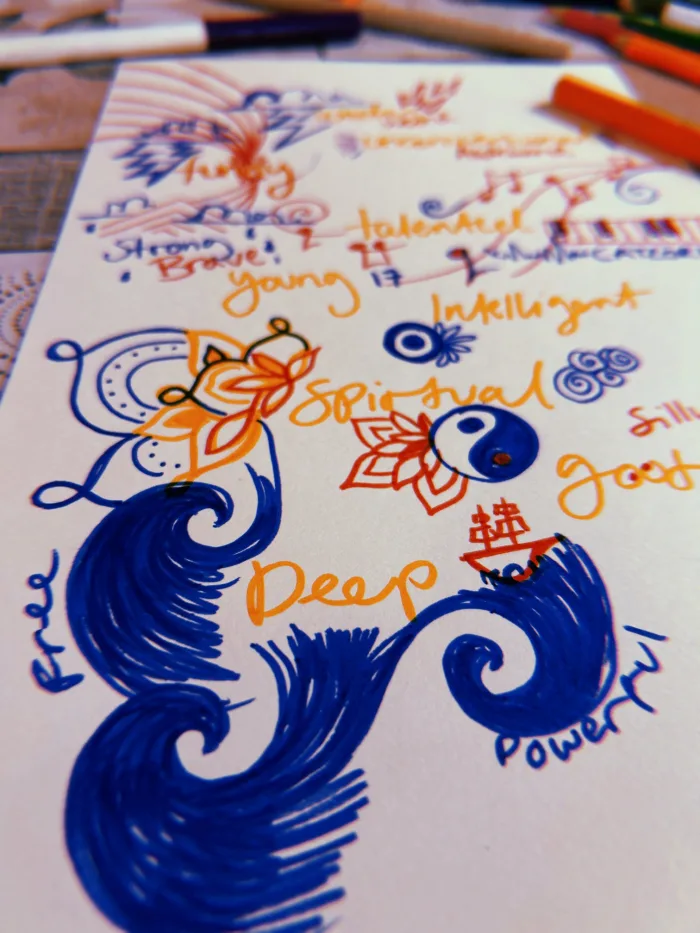
During a grief workshop in Porto, Rachel discovered that fighting her emotions was exhausting her more than the emotions themselves. Letting go of resistance, and picking up a paintbrush, changed everything.
What Does Diversity Add to Grief Trips?
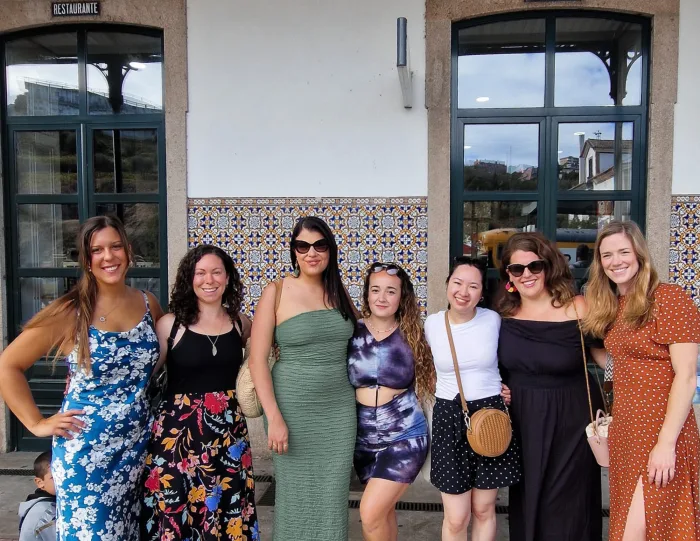
People often join a grief trip expecting connection with others who share their exact loss. What they find is something wider: perspective from grief that looks nothing like their own, and the quiet relief of no longer carrying it entirely alone.