Visiting Porto and the Douro Valley While Grieving: What to Expect
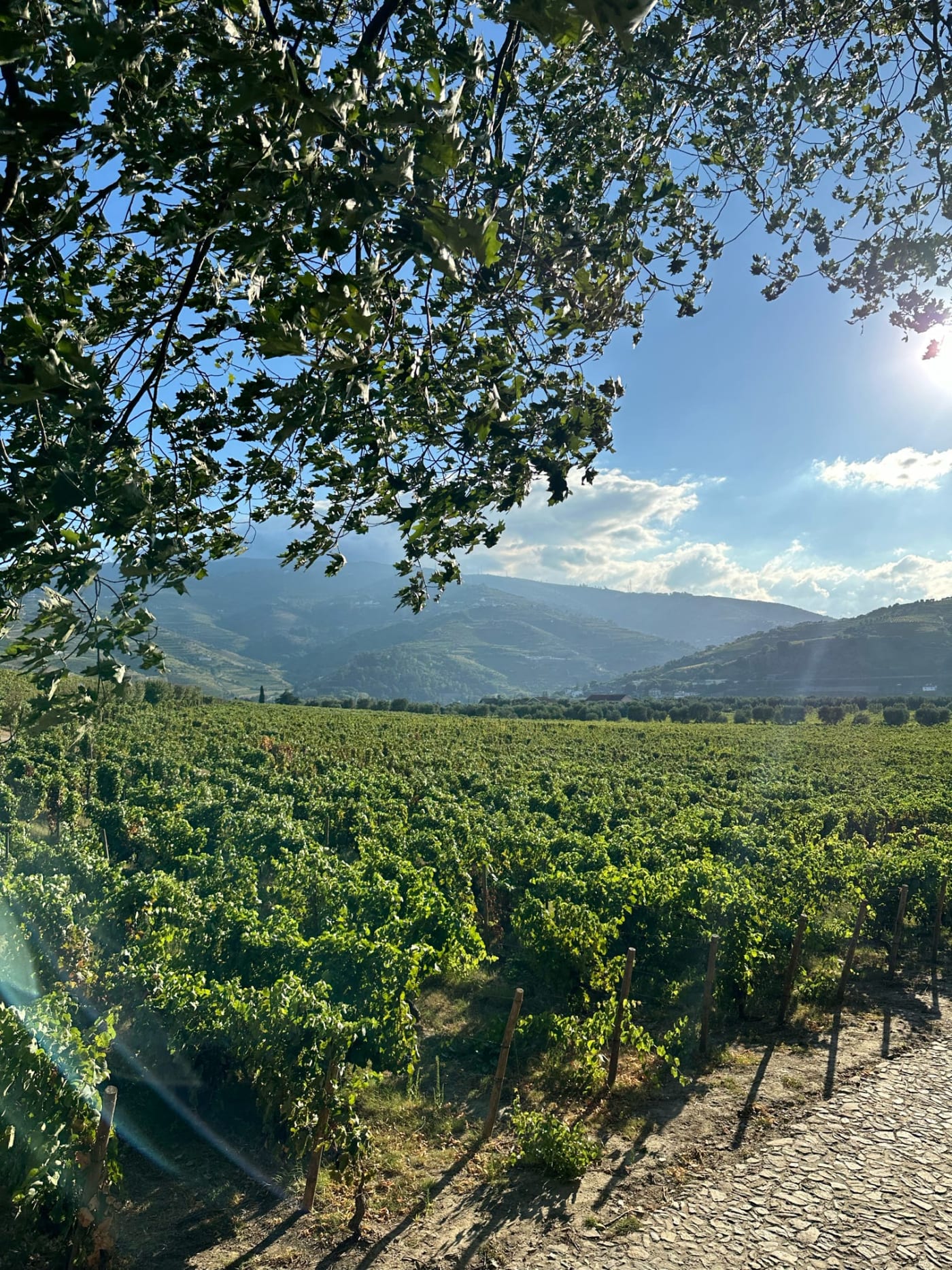
What should you actually expect from a week split between Porto and the Douro Valley while grieving? Steep streets that make you stop and catch your breath for entirely physical reasons, a city that keeps working around you without asking anything of you, and a valley an hour and a half away where the pace drops even further. Nobody here is trying to fix anything. The place simply keeps existing, beautifully, at its own speed.
Porto is a city you feel in your legs
Porto is built on a gorge, and the tourist maps understate how much this matters day to day. Streets tilt, staircases connect one level of the city to another, and the Ribeira district along the Douro river sits far below the upper town, connected by the iron latticework of the Dom Luís I Bridge. First-time visitors are usually surprised by how physical the city is to move through. That physicality turns out to be useful. Grief that has nowhere to go tends to sit in the body, and a city that requires you to climb, pause, and look out over rooftops of orange tile gives it somewhere to discharge that has nothing to do with talking about it.
The Mercado do Bolhão, Porto's restored central market, is worth knowing about before you arrive rather than stumbling into cold. It smells like fresh bread, cured meat, and the brine of the fish counters, and it sounds like vendors calling out prices over each other in Portuguese you may not understand a word of. That's part of what makes it work for grief: you can stand in the middle of it, entirely anonymous, needing to perform nothing, while the ordinary noise of people buying dinner continues all around you.
The Douro Valley is where the pace actually drops
The Douro Valley, a UNESCO World Heritage wine region roughly ninety minutes from Porto by road or a scenic train that follows the river, is a genuinely different register from the city. Terraced vineyards climb the hillsides in long ribbed lines that were cut into the schist rock by hand, some of them centuries old. A river cruise through the valley shows you why this landscape has been called a garden carved from stone: nothing about it is flat, and nothing about it is rushed. Quintas, the wine estates that dot the hills, mostly still operate as working farms rather than as sets, which means the valley's beauty comes from function rather than staging.
If Porto asks you to move, the Douro asks you to sit still and let the view do something to you instead. Many people find this is where grief actually surfaces, away from the city's noise and errands, somewhere quiet enough that there's nothing left to distract from it.
Tile painting and Fado give grief something to do with itself
Azulejos, the blue-and-white tiles that cover building facades across Porto, are so ubiquitous that it's easy to walk past dozens of them without registering the tradition behind them. A tile-painting session slows that down considerably. It's a repetitive, hands-on task with a low bar for skill and a real object at the end of it, which makes it a good fit for anyone who finds sitting-and-talking formats difficult but still wants to be doing something alongside other people.
Fado is a different kind of activity entirely, and worth understanding before you go. It's sung, usually in small clubs seating a few dozen people, accompanied by the round-bodied Portuguese guitarra, and it's built around saudade, a word Portuguese speakers will tell you doesn't translate cleanly into English but roughly means a longing for something or someone absent. Fado houses expect quiet during the songs themselves. Nobody will explain the lyrics to you, and you don't need them explained. The genre exists specifically for feelings that don't have tidy words, which is a fairly accurate description of grief on most days.
How much stimulation to expect, day to day
Porto sits in the middle of the sensory range compared to other Grief Trip destinations. It's a real, working port city with traffic, tourists, and ordinary urban noise, not a hushed retreat setting, so if you want to disappear into a crowd for an afternoon, you can. The Douro Valley, by contrast, is close to silent outside of harvest season, with long stretches where the loudest sound is the river or wind through vine leaves. The week moves between these two registers rather than settling into one, which suits people who don't know yet whether they want company or solitude on any given day, since both are available without having to ask for either.
Climate and what to actually pack
Portugal's Atlantic coast climate is temperate rather than extreme in either direction. Spring and autumn bring mild days, comfortable for walking and generally dry, which is the most forgiving stretch of the year to visit in. Summer runs warm, sometimes properly hot in the Douro Valley, where the hills trap heat more than the coastal city does. Winter is the outlier: cooler and considerably wetter, with rain that can settle in for a day at a time rather than passing through. A light rain layer earns its keep regardless of season, and shoes with real grip matter more here than almost anywhere else on the itinerary, given how much of the week happens on cobblestones, hills, and vineyard paths.
None of this requires you to feel a particular way about it. The hills will still be there whether grief is loud that day or quiet, and so will the river.
Travel with people who understand
This story is from the Portugal Grief Trip. Small groups, grief workshops, and room to breathe.
See the trips ›You might also like
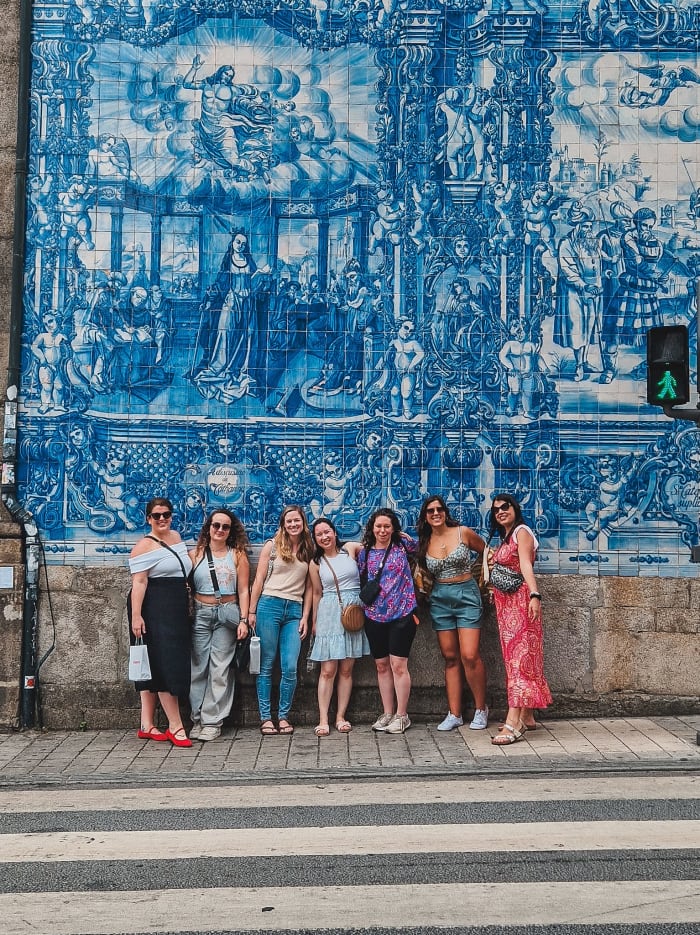
Finding My Grief Soul Sisters on Grief Trips
On a Portugal Grief Trip, Rachel found seven soul sisters, women who understood her grief without needing an explanation. A small group, an ocean of shared loss, and a bond that changed her.
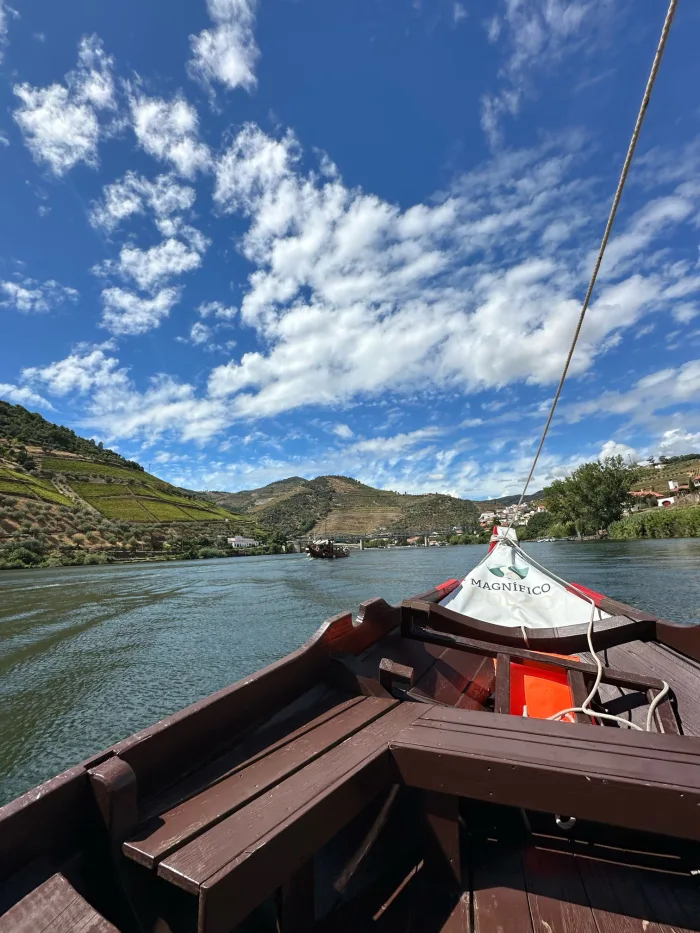
Boat Cruise on the Douro River: Where Grief Flows Naturally
There is something about moving slowly across water that lets grief surface without force. Here is why the Douro River cruise has become one of the most quietly powerful parts of the Portugal Grief Trip.

The Art of Letting Go of Resistance: Grief Workshop in Porto
During a grief workshop in Porto, Rachel discovered that fighting her emotions was exhausting her more than the emotions themselves. Letting go of resistance, and picking up a paintbrush, changed everything.