What Port Wine Taught Us About Grief
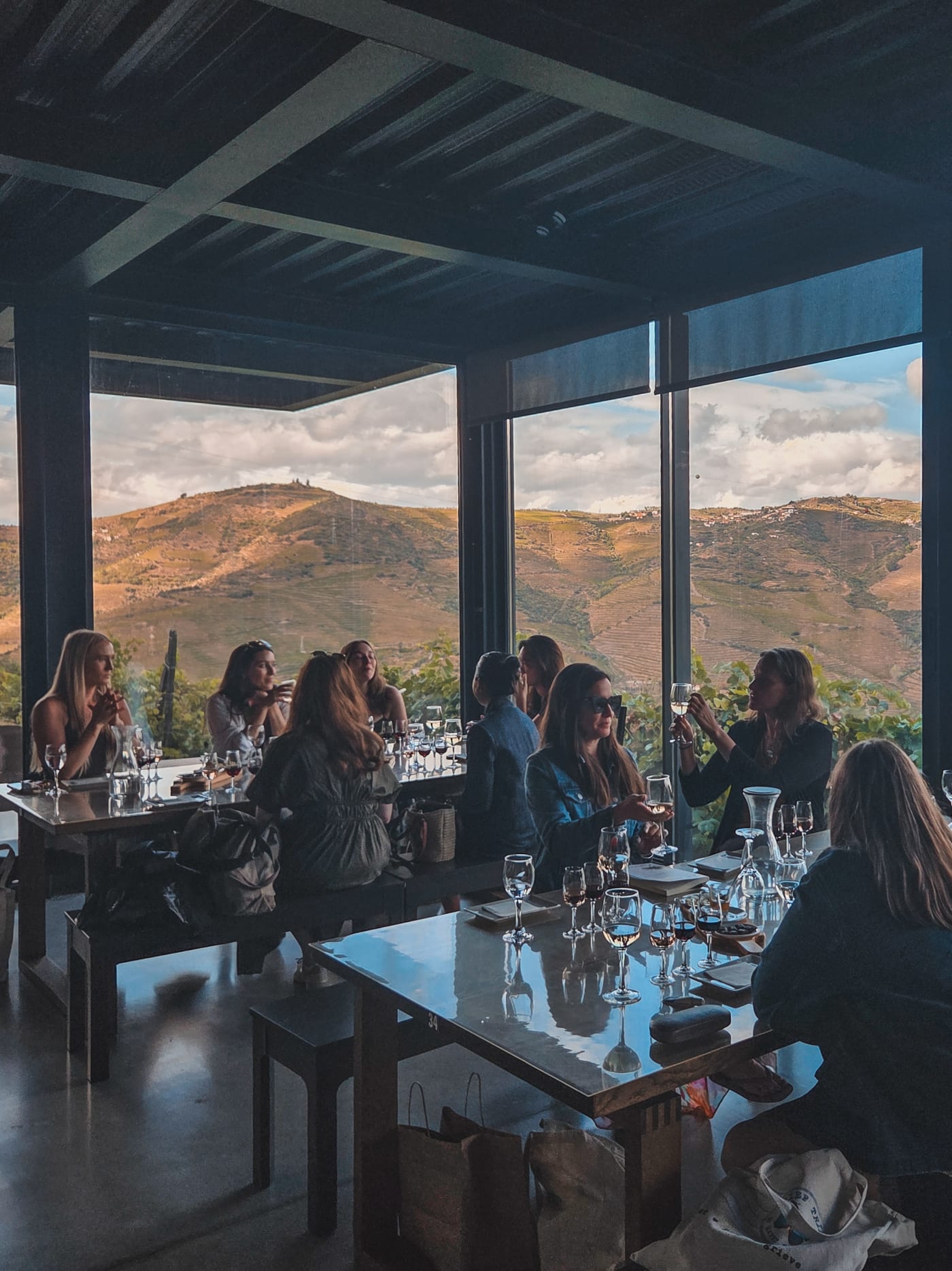
On day four we are deep in the Douro Valley, and the afternoon belongs to port. Two workshops behind us, morning grief yoga with Kim still in everyone's shoulders, and a long lunch table where a few bottles keep doing the rounds: tawny, ruby, and vintage, poured and compared like they are three different people who all started from the same grape.
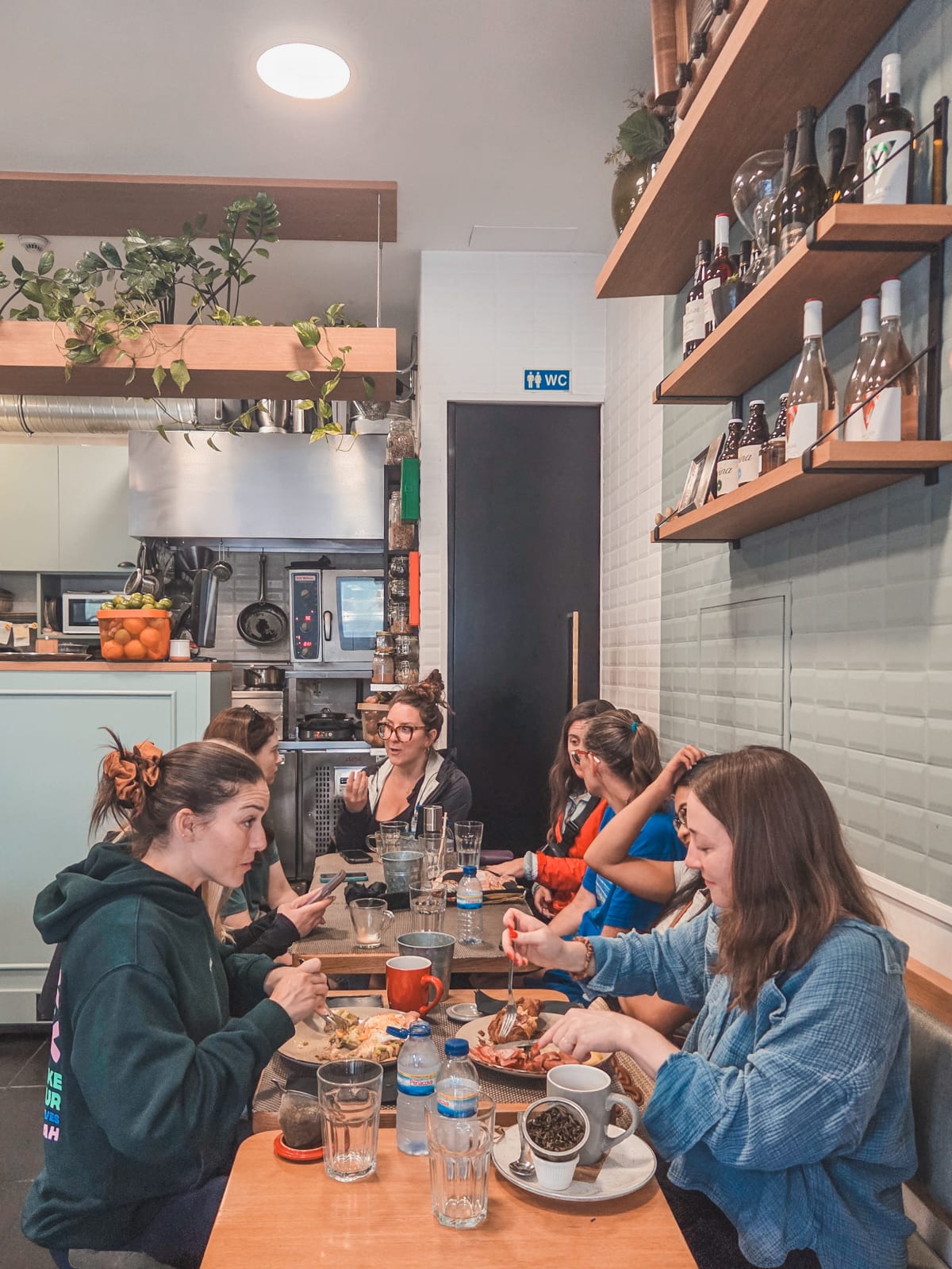
Somewhere in the middle of the tasting, someone always tells the same story, and it lands differently on a grief trip than it would anywhere else. A grape's whole plan, if a grape can be said to have one, is to become a raisin. Then someone pulls it off the vine, and it gets crushed in the lagare, and that plan is gone before it even had a chance. From there it has choices nobody asked it to make. Stay as it is and spoil. Or ferment, and become something else. Red wine. White wine. Port, if the conditions are right and somebody is willing to wait years for it.
That is close enough to what a death does to a life that the room usually goes quiet for a second. The plan you had for your person, and the plan you had for yourself alongside them, gets pulled off the vine without asking. What is left is not nothing. It is a different set of choices than the ones you were making before.
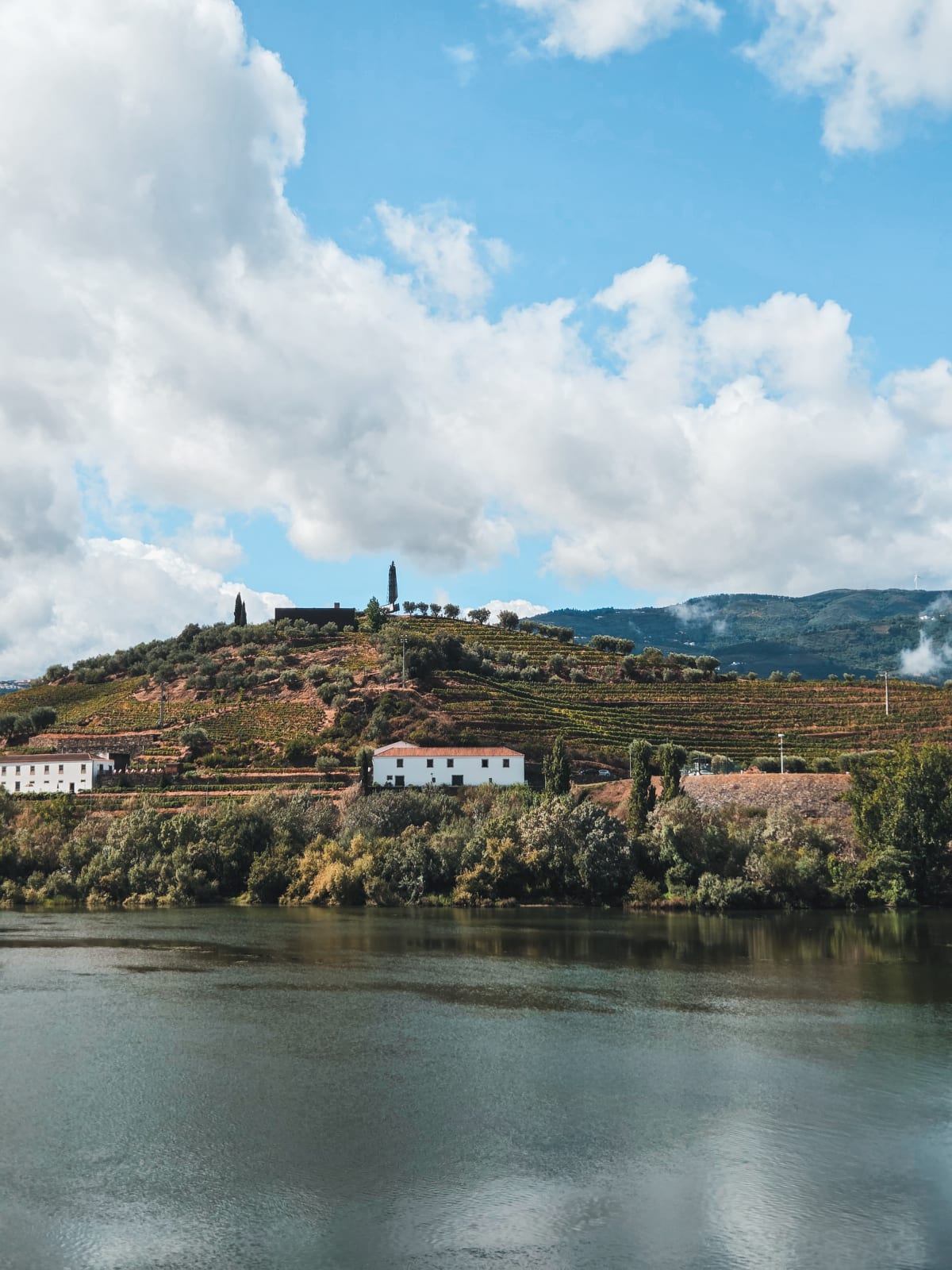
A port wine master does not leave that transformation to chance. Humidity, temperature, the right barrel, years of patient watching, the same care this valley once put into treading grapes by foot in stone tanks and now puts into gentler machines instead, no less serious about getting it right either way. Nobody gets to a finished bottle by accident, and nobody gets through grief that way. It takes the actual work: therapy, or a sharing circle, or a friend who lets you say the hard thing twice, or a week away in a valley with people who already understand.
Grief moves through families in a similar way. The roles and rituals you had before someone died do not always fit the family that is left. Sometimes you keep doing things exactly as before, because it still works and still matters. Sometimes you let something gentler take over, and what you end up with is still real, still worth having, just made differently than it used to be.
By the end of the afternoon the bottles are mostly empty and the light is doing that late-afternoon thing over the terraces, and nobody is talking about wine anymore.
Travel with people who understand
This story is from the Portugal Grief Trip. Small groups, grief workshops, and room to breathe.
See the trips ›You might also like
Finding My Grief Soul Sisters on Grief Trips
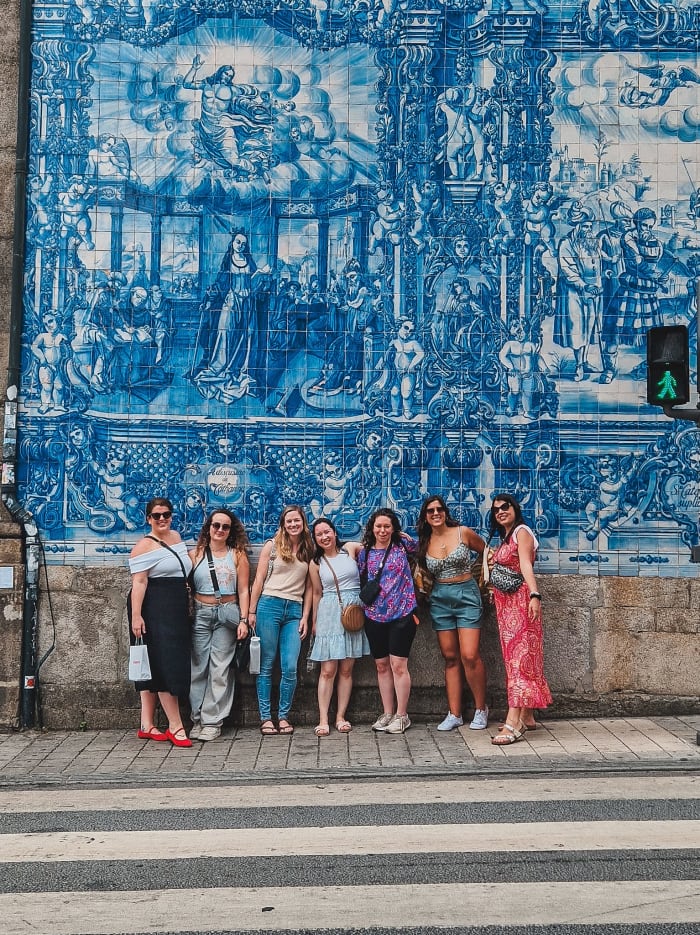
On a Portugal Grief Trip, Rachel found seven soul sisters, women who understood her grief without needing an explanation. A small group, an ocean of shared loss, and a bond that changed her.
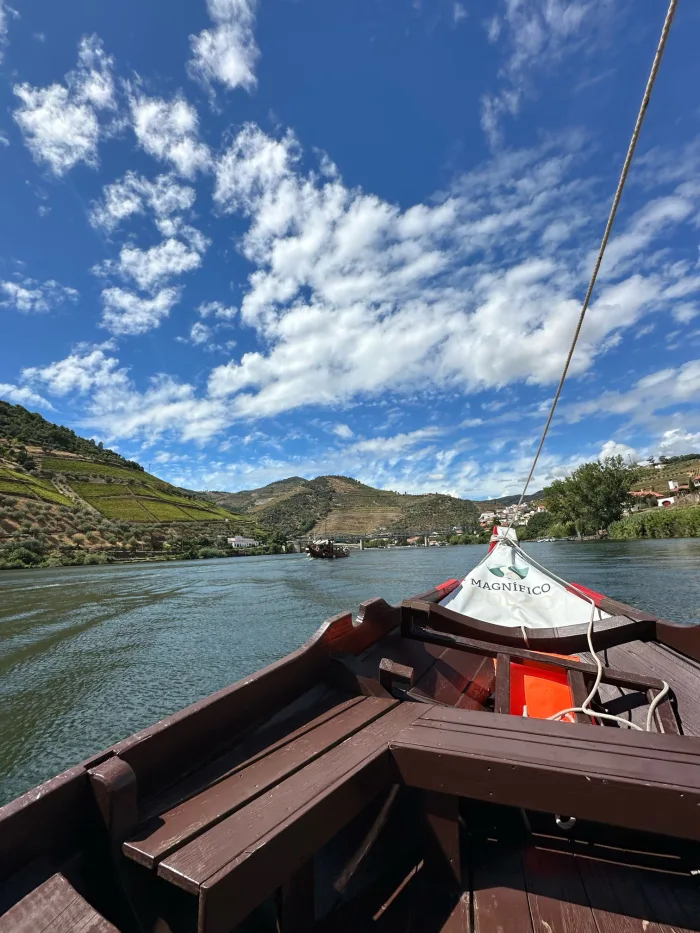
Boat Cruise on the Douro River: Where Grief Flows Naturally
There is something about moving slowly across water that lets grief surface without force. Here is why the Douro River cruise has become one of the most quietly powerful parts of the Portugal Grief Trip.
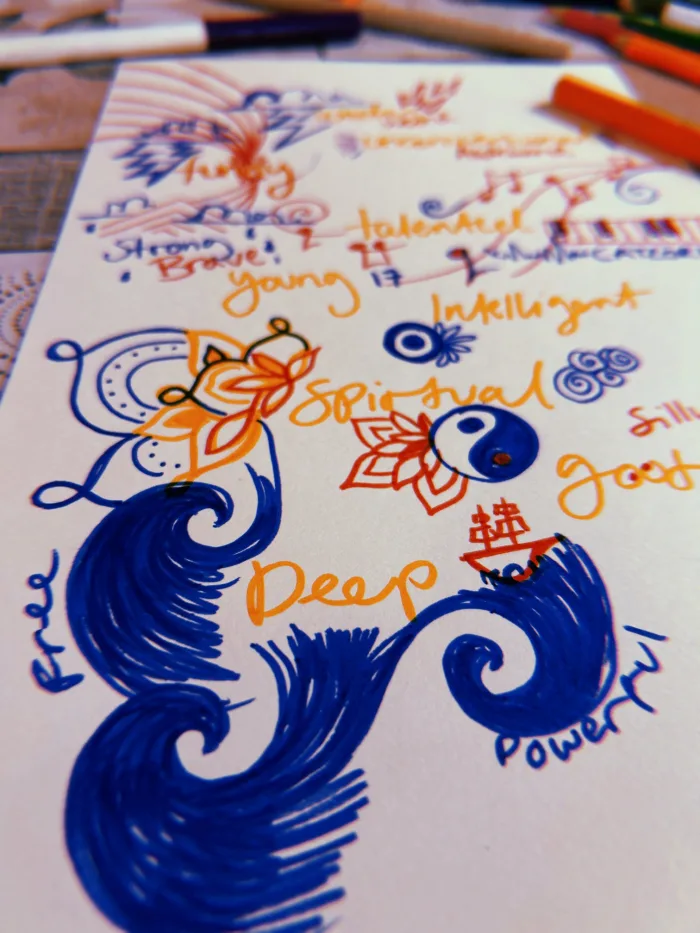
The Art of Letting Go of Resistance: Grief Workshop in Porto
During a grief workshop in Porto, Rachel discovered that fighting her emotions was exhausting her more than the emotions themselves. Letting go of resistance, and picking up a paintbrush, changed everything.